Locate structure
Studs are found and marked. The proposed height is checked from the seat, not from the ladder alone.
Wall mounting
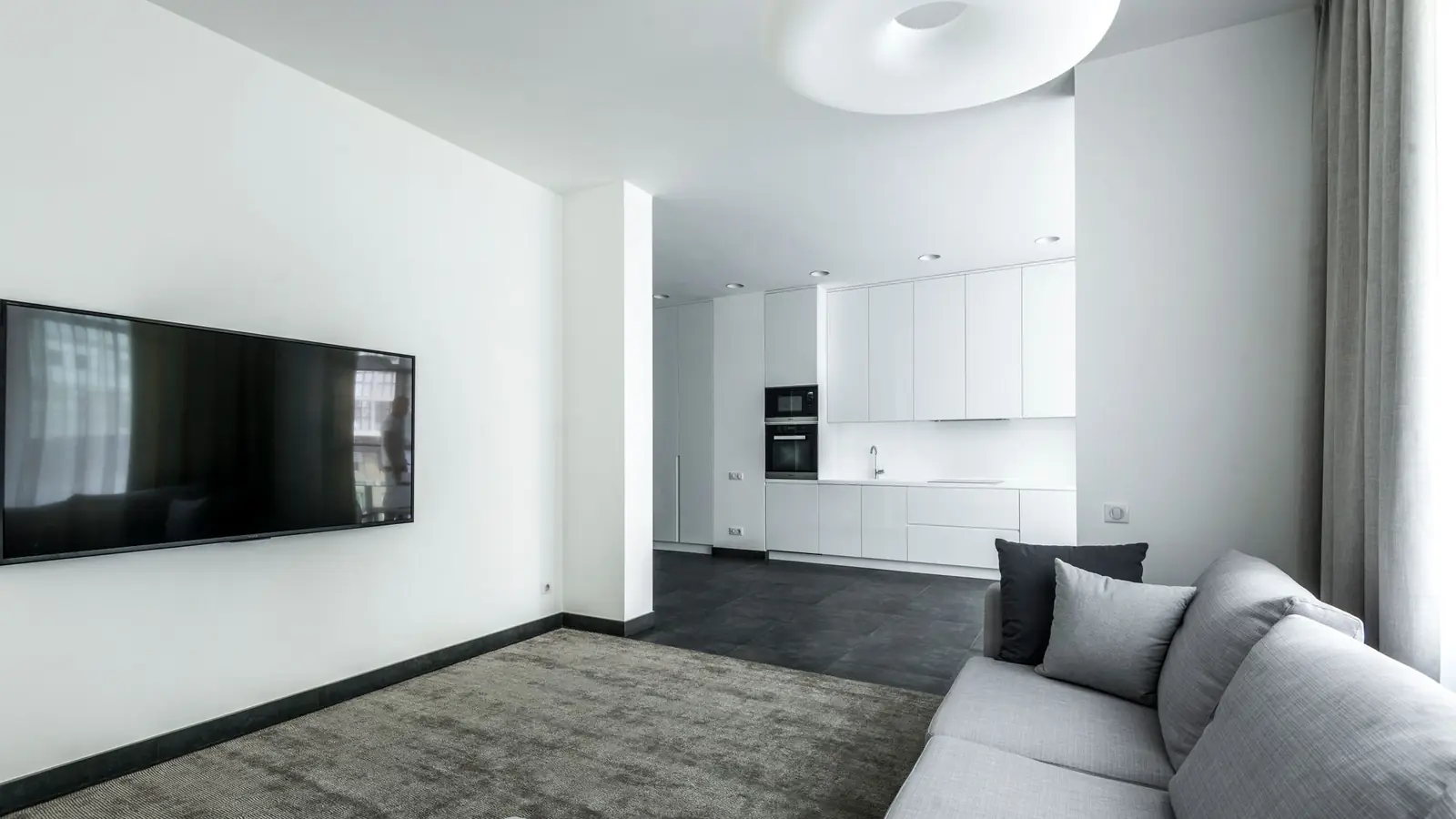
TV wall mounting puts the screen on the structure behind the paint, at a height the seating can live with. Kunaque does this work in Seattle for fixed, tilting, and full-motion brackets. The wall and the VESA pattern decide which of those is actually available.
A wall mount TV installation removes the furniture footprint of a stand and ties the screen to the wall. Done carefully, the bottom of the television sits where your eyes land from the sofa, the bracket is rated for the set, and the cables have a plan. Done as a race to get the panel off the floor, the screen ends up high, the studs get missed, or a cord drops down the paint.
This page is about ordinary interior walls: drywall or plaster over wood or metal studs, and the occasional framed niche. Brick, concrete, and fireplace surrounds have their own limits and are described separately.
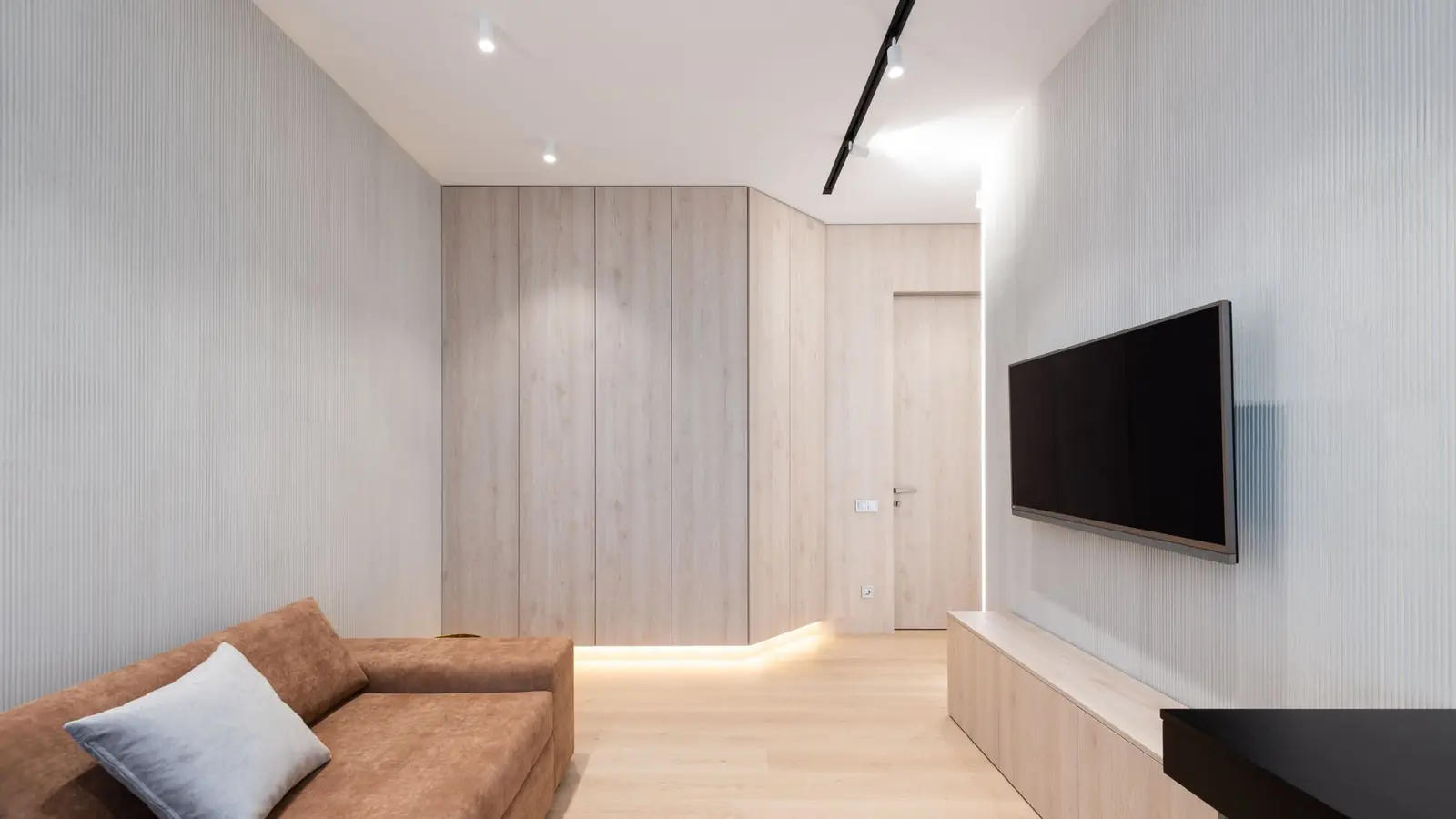
A fixed TV mount installation holds the panel flat and close. It is the right default when the seat is centered and the wall is not fighting a bright window. The hardware is simpler, and the load stays close to the studs.
A tilt TV wall mount installation lets the top of the screen angle down. People use it when the only workable height is a little above eye level, or when a ceiling light reflects off a perfectly vertical panel. Tilt does not solve a screen that is far too high. It only takes the edge off.
A full-motion TV wall mount installation, sometimes called a full motion TV mount installation, uses an arm. The screen can pull out and swivel toward a second seat or a kitchen. That convenience moves the weight away from the wall, so the studs, the fastener, and the mount rating matter more. A heavy set on a long arm is a large-TV problem as well as a wall-mount problem. If the panel is 65 inches or more, read large TV mounting alongside this page.
The holes on the back of the television follow a VESA pattern, measured in millimeters. The mount has to list that pattern, and it has to be rated above the weight of the set. A TV wall mount bracket installation also has to reach structure. On wood studs, that means the bracket spans the studs the layout actually has, which are often 16 inches apart and occasionally not where a person hoped. On metal studs, the fastener and sometimes a backing board change. Toggle bolts in empty drywall are not the plan for a television.
If you already bought a mount, include the model in the estimate. If the bracket is too small, too large, or meant for a different wall, it is better to know before the appointment than to discover it with the television face-down on a blanket.
There is no single TV wall mount installation price on this site, because the number moves with the room. The factors are the screen size and weight, fixed versus articulating hardware, wood versus metal studs, the height and any corner swing, whether cables are concealed, and how hard it is to reach the wall. A short explanation of how estimates are built is on the FAQ. The quote you can rely on is the one confirmed after this form, not a number copied from another house.
On site
Studs are found and marked. The proposed height is checked from the seat, not from the ladder alone.
The plate is leveled on the structure the mount was chosen for. Holes are only as large as the fastener needs.
The television goes on the bracket, the inputs are connected, and the picture is checked from the seat. A soundbar can be placed if it was part of the request.
Either they enter the wall through a planned opening or they follow a cover. A dangling cord is not treated as finished.
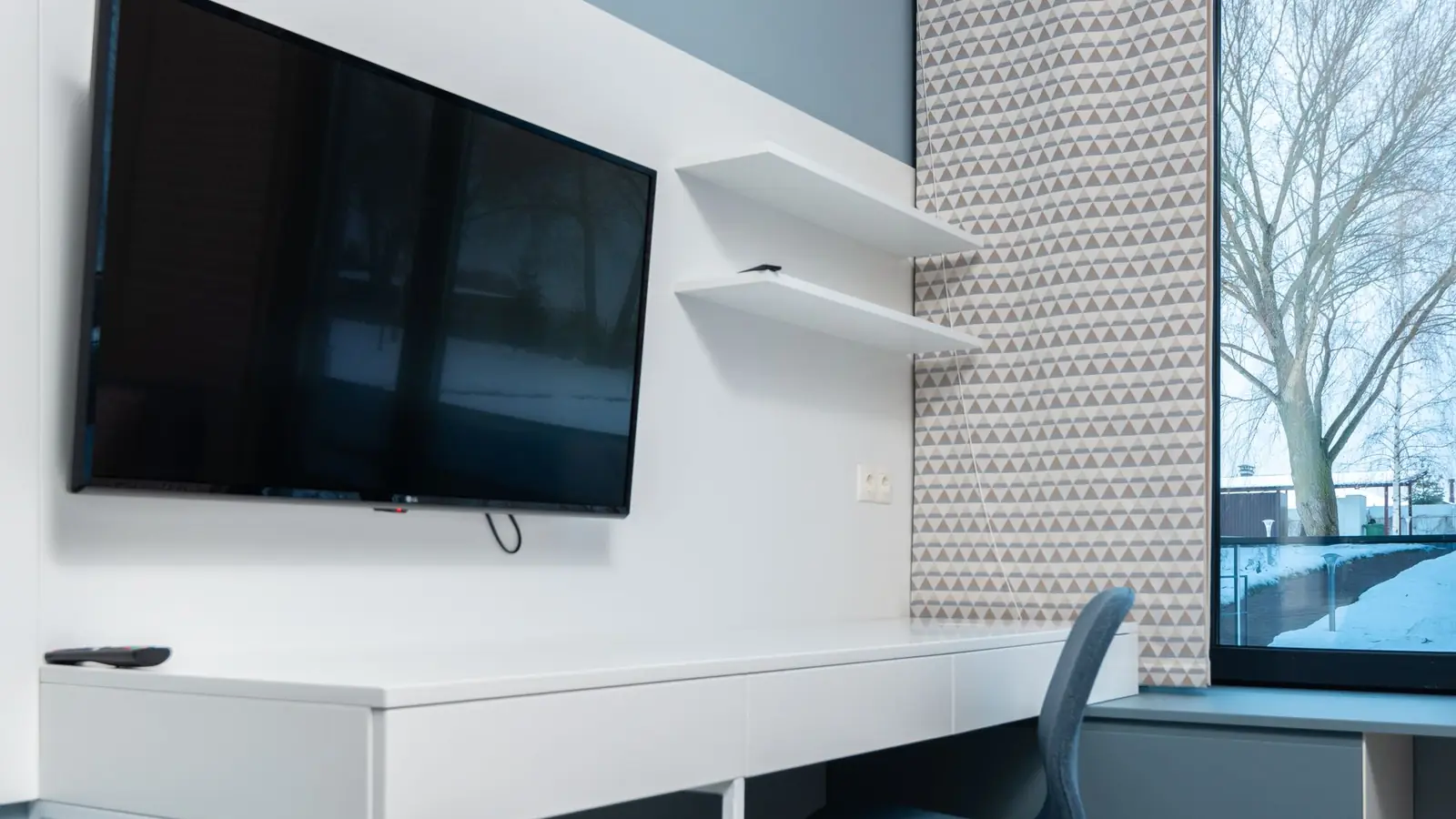
You do not need to cut holes or locate studs before the visit. You do need the area clear enough to work without moving a full room of furniture in the dark.
Questions
From the seat you actually use. A common mistake is centering the screen on a tall wall. If the bottom of the picture is near eye level when you sit, you are usually in a workable range. Fireplace installs break that rule and need a separate judgment.
No. The VESA pattern and the weight have to match the mount. A full-motion arm that is rated for a small bedroom set is not automatically rated for a 75-inch panel.
Cable concealment is planned with the mount and described on the cable management page. If the wall cannot be opened, a cover is the honest finish. New household circuits are not included unless an electrician is part of an agreed scope.
Use the brick and concrete or fireplace pages. Those surfaces are not a standard stud install with a different adjective.
Related work
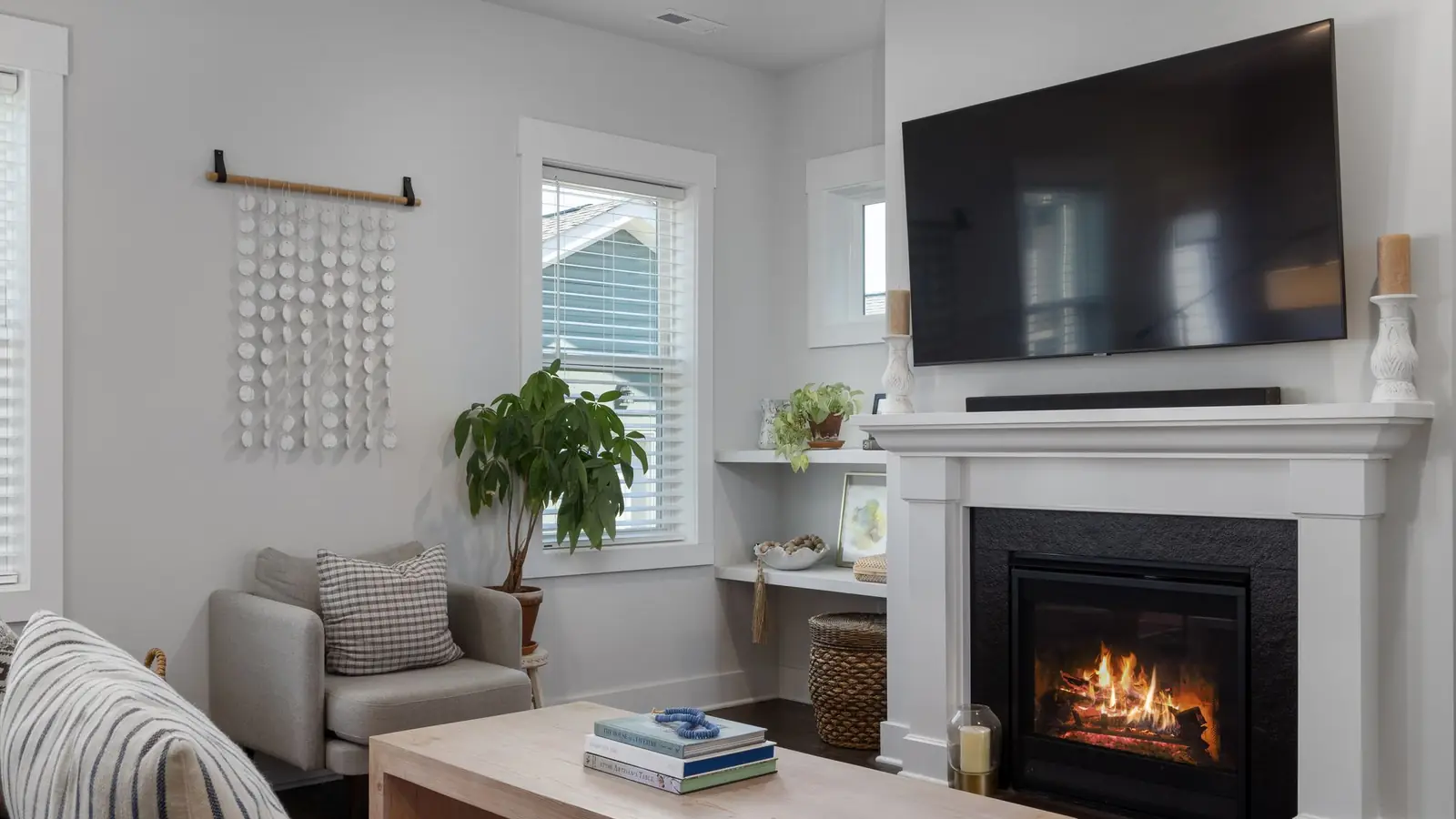
Above-mantel placement that accounts for heat, viewing angle, and the way the surround is built.
View this service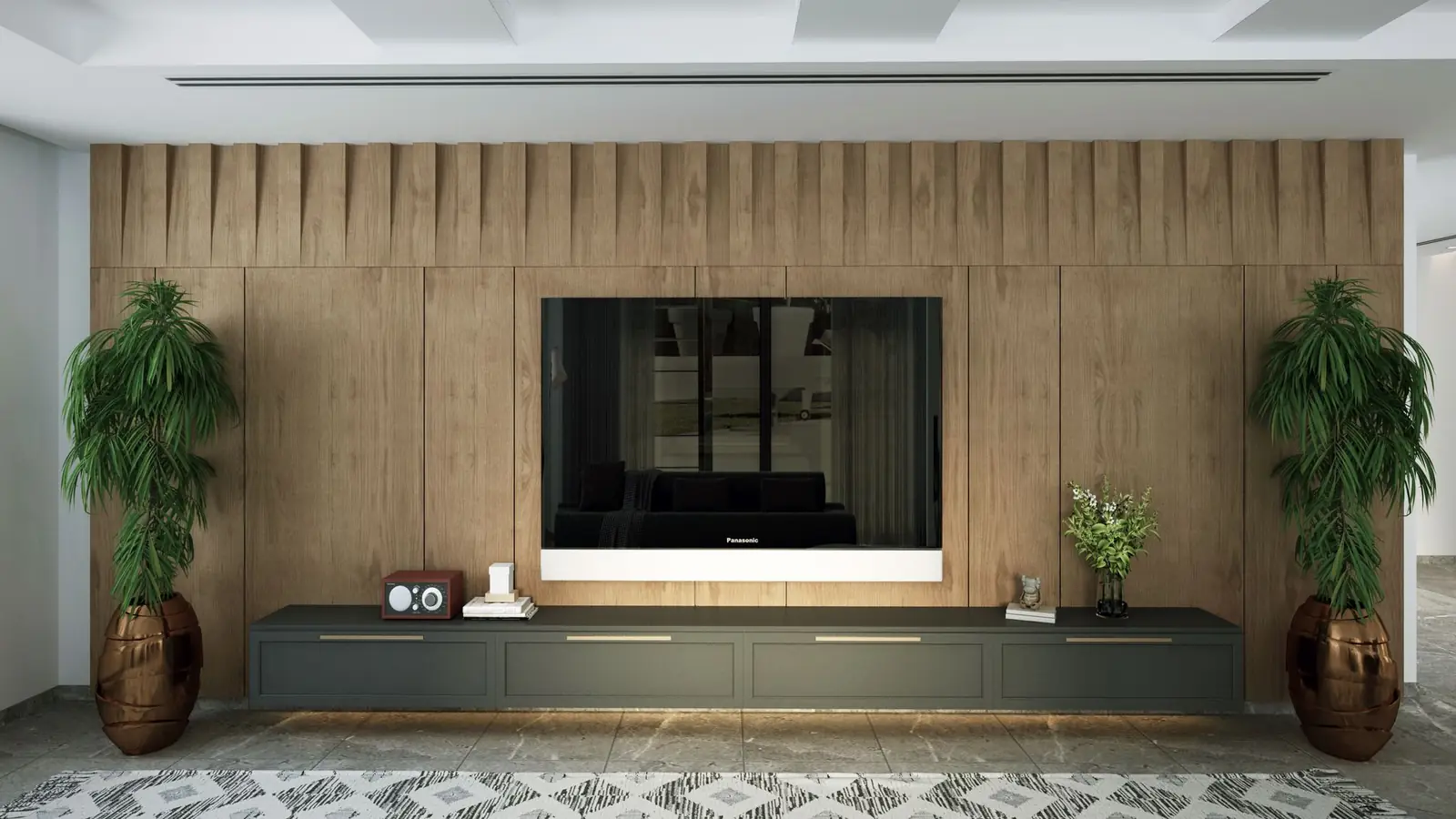
A wiring plan for the mount: in-wall low-voltage paths where the wall allows them, and a clean cover where it does not.
View this service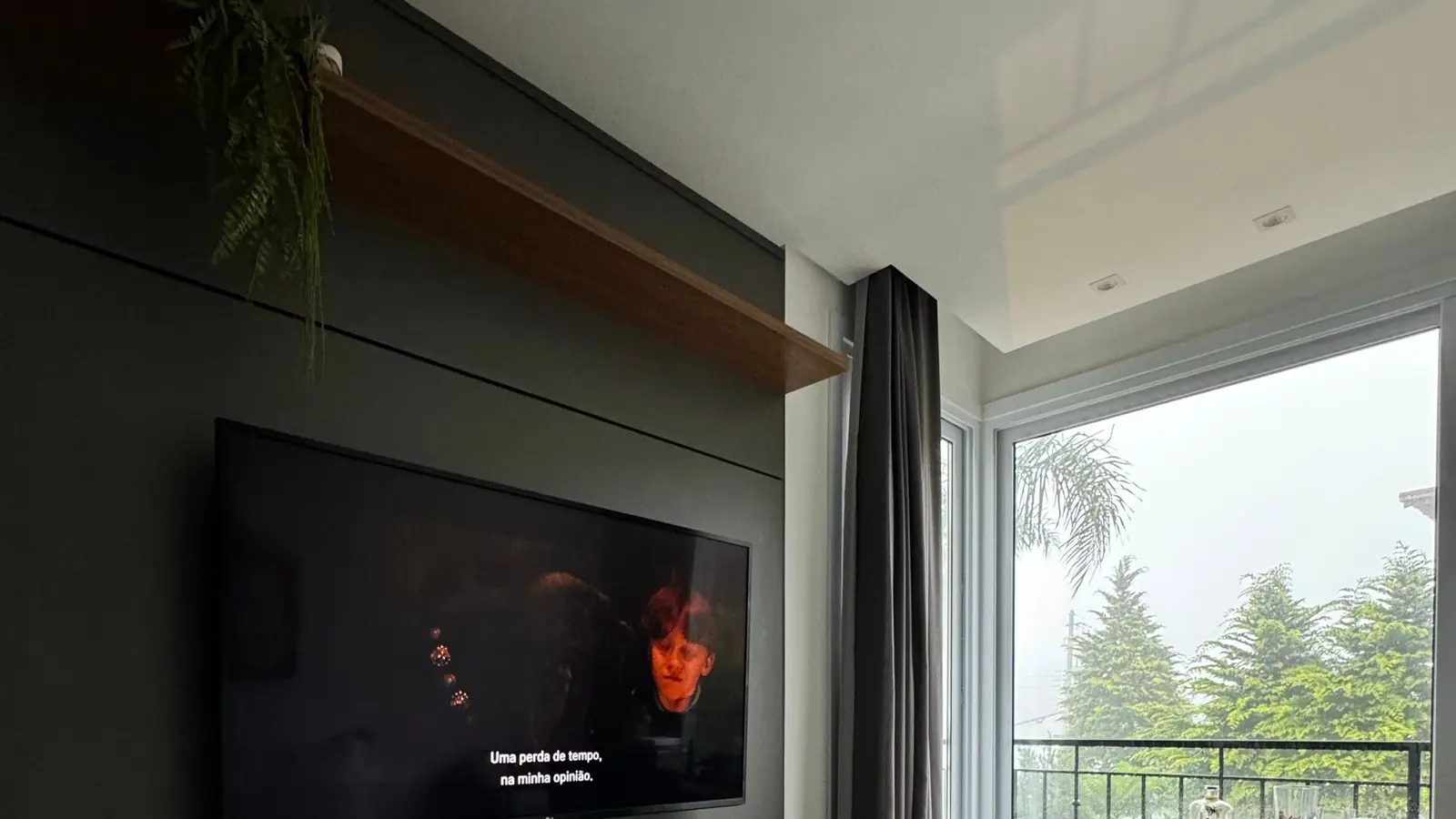
65-inch, 75-inch, and heavier screens, where weight, stud span, and the path into the room change the job.
View this serviceEstimate
Include the screen size, the wall as you understand it, and the address or ZIP code. The price is confirmed after that review.
Request an estimate
An estimate request describes the job. It is not a confirmed appointment. Kunaque reviews the screen, the surface, and whether the address is in the Seattle, Washington service area, then follows up with scope and price before any work is scheduled.