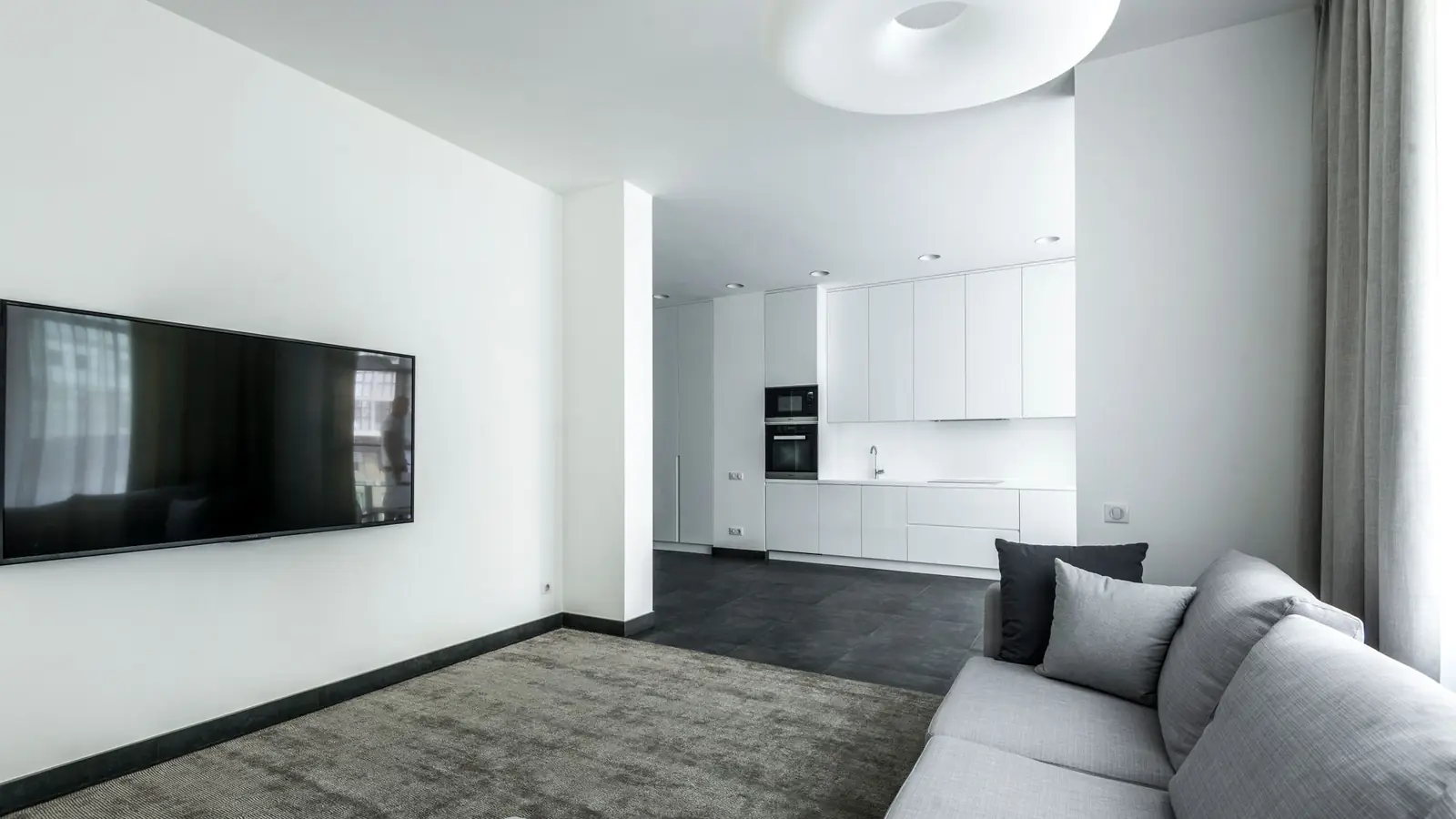
TV Wall Mounting
Fixed, tilt, and full-motion brackets on wood or metal studs, with the screen height set from the seating.
View this service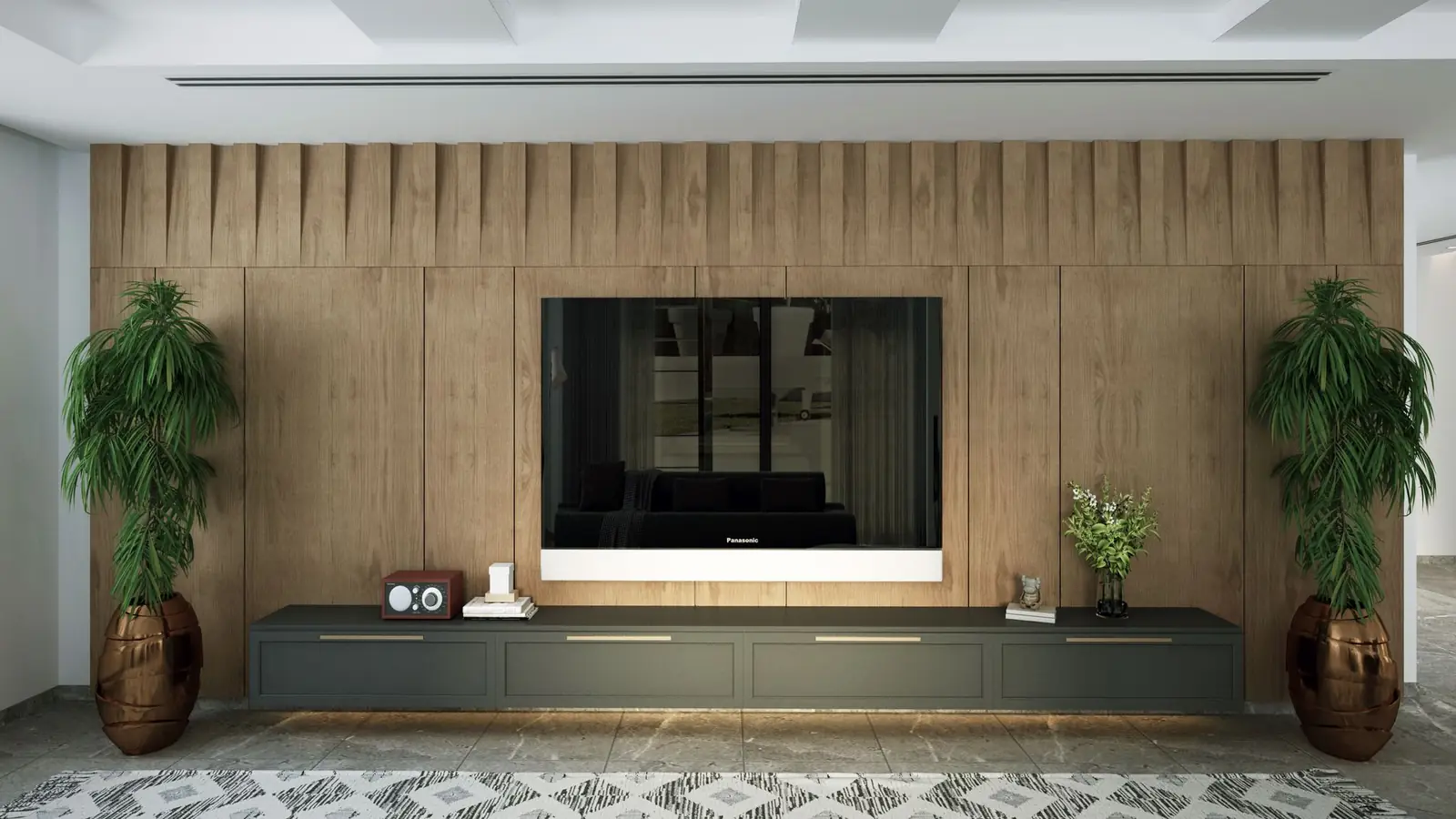
Kunaque mounts televisions in Seattle, Washington. The screen sits at a height the seating can use, on a mount the wall can hold, with the cables decided before the first hole. Request an estimate, call, or send a note. The screen, the surface, and the address are reviewed before any work is scheduled.
Services
Most requests start as a mounting job and then become more specific: a fireplace, a brick pier, a 75-inch panel, a patio cover, or a conference room. The full list of TV mounting services is organized that way so the estimate matches the room.
Fixed, tilt, and full-motion brackets on wood or metal studs, with the screen height set from the seating.
View this service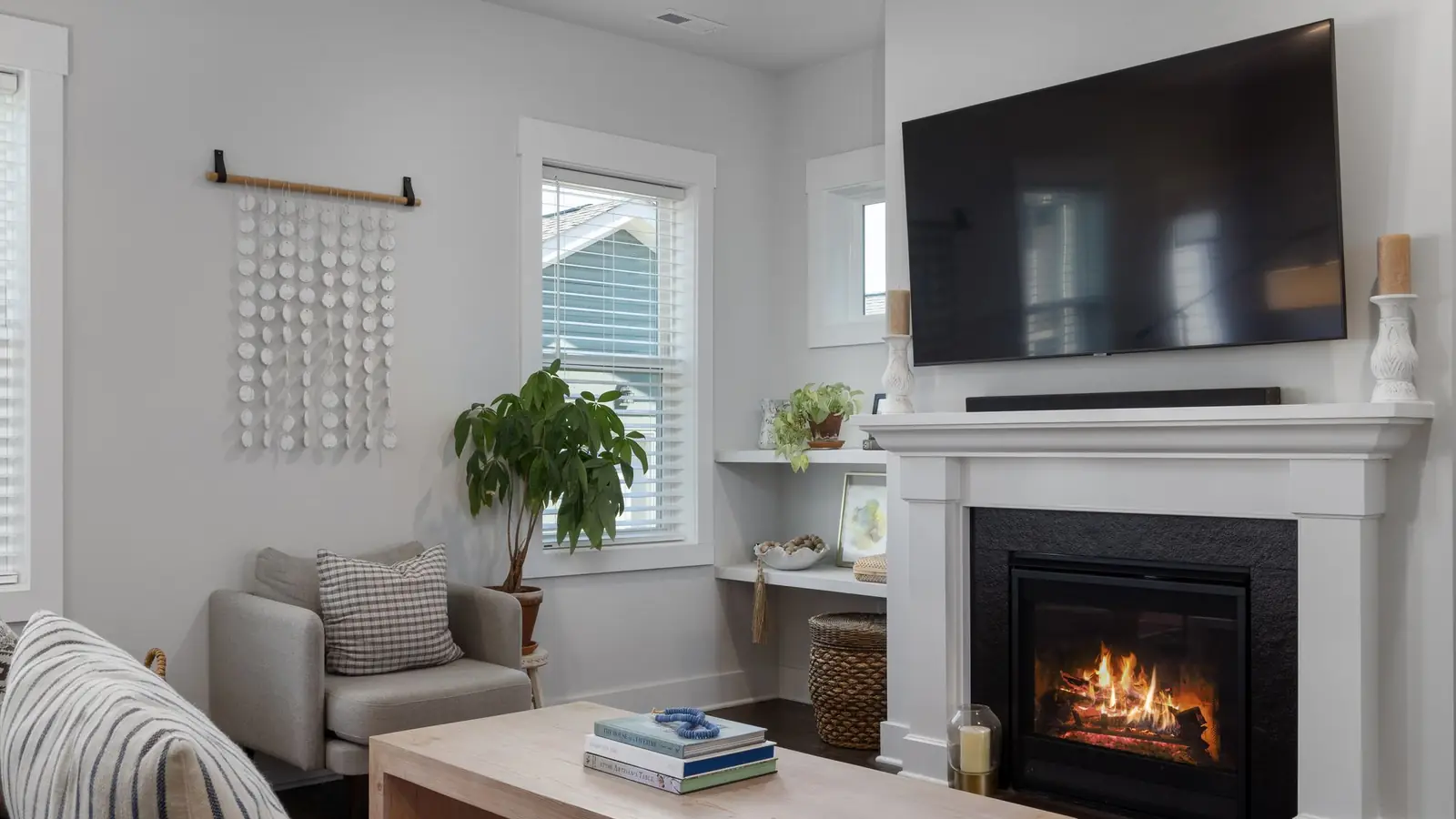
Above-mantel placement that accounts for heat, viewing angle, and the way the surround is built.
View this service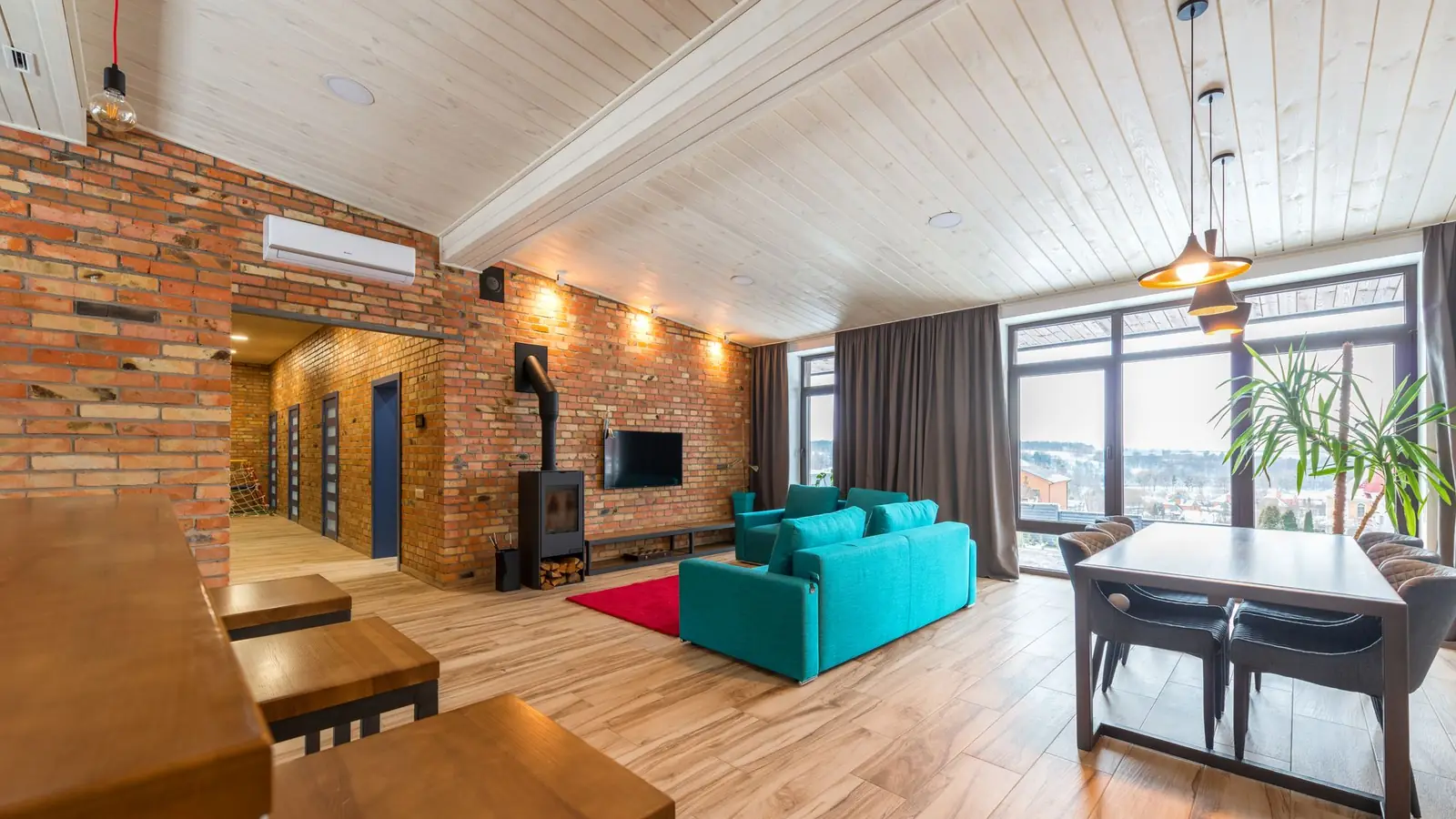
Masonry anchors for structural brick, block, and concrete, with a different plan when the brick is only a veneer.
View this service
65-inch, 75-inch, and heavier screens, where weight, stud span, and the path into the room change the job.
View this service
Covered patios and exterior walls, using displays and hardware that are actually meant for weather.
View this service
Offices, lobbies, and customer spaces where height, access hours, and cable paths have to be planned.
View this service
A wiring plan for the mount: in-wall low-voltage paths where the wall allows them, and a clean cover where it does not.
View this serviceWhy the plan matters
A TV installation service is mostly decisions made while the television is still on the floor. The hardware is the last step, not the first.
The screen is placed for the sofa or the chairs, not for the tallest open patch of wall. A mount that looks centered in an empty room can still feel high once you sit down.
Drywall alone is not a structural plan. Wood studs, metal studs, brick, and concrete each take different fasteners. The bracket also has to match the VESA pattern on the back of the set.
Power and signal cables need a path before the television covers the wall. Some walls can take a low-voltage opening. Others should keep the cords in a surface cover. New electrical circuits are a separate trade.
The estimate describes the television, the wall, and the address or ZIP code. Price and timing are confirmed after that review. Sending the form does not reserve a same-day appointment.
Mount types
These are the patterns people ask about most. The right one depends on glare, how often the screen needs to turn, and what the wall can support. TV wall mount installation goes through the differences in detail.
The screen stays close to the wall. It suits a seat that is already straight in front of it and a room without a strong side glare.
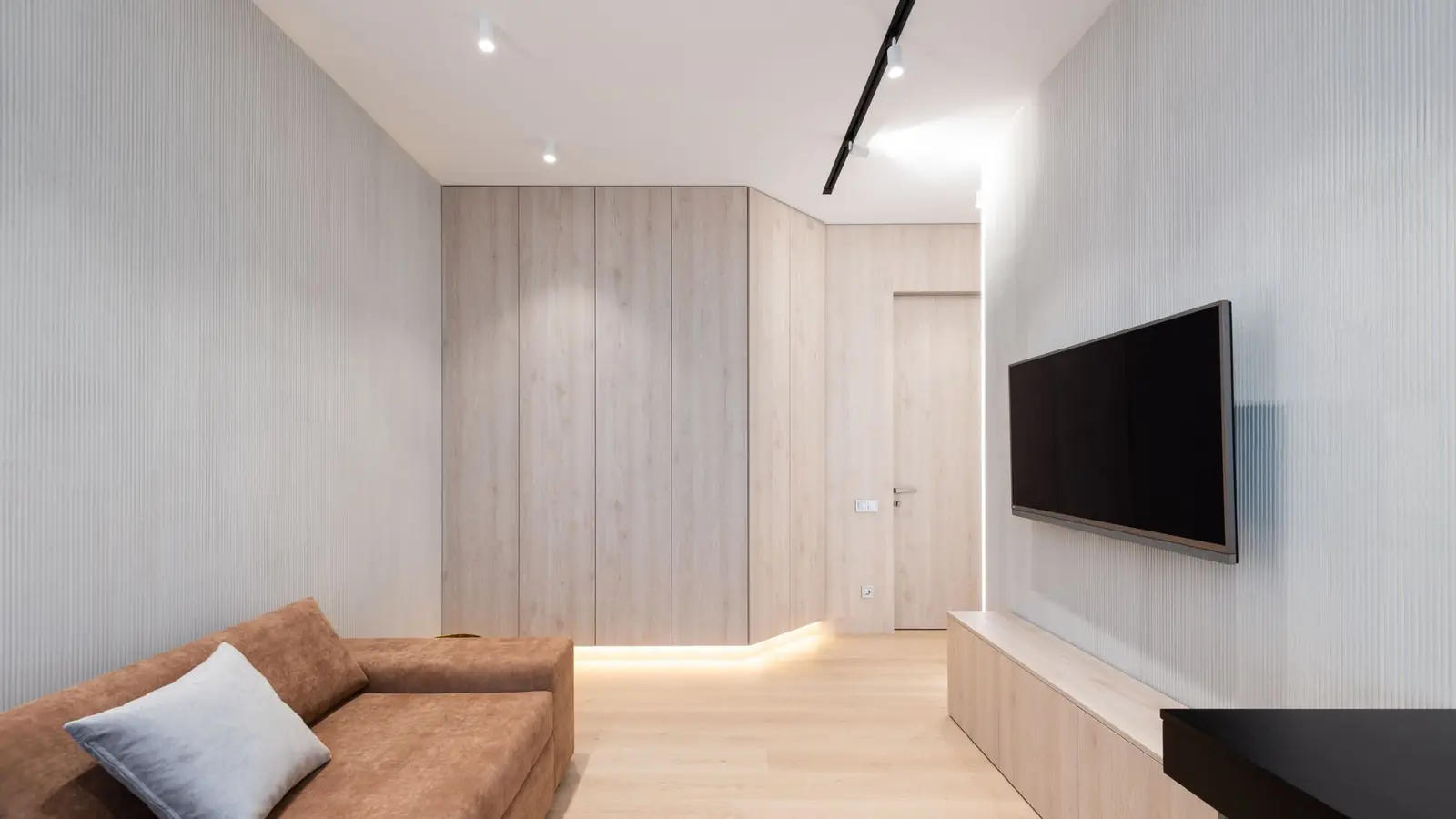
The top tips forward a few degrees. That helps when the screen has to sit higher than the ideal eye line, which is common over a mantel.
An arm pulls the screen off the wall and turns it. Useful for a corner or a kitchen view, and it multiplies the load on the studs, especially with a large set.
Heat, mantel depth, and a high viewing angle all have to be acceptable. Some surrounds should not carry a television at all.
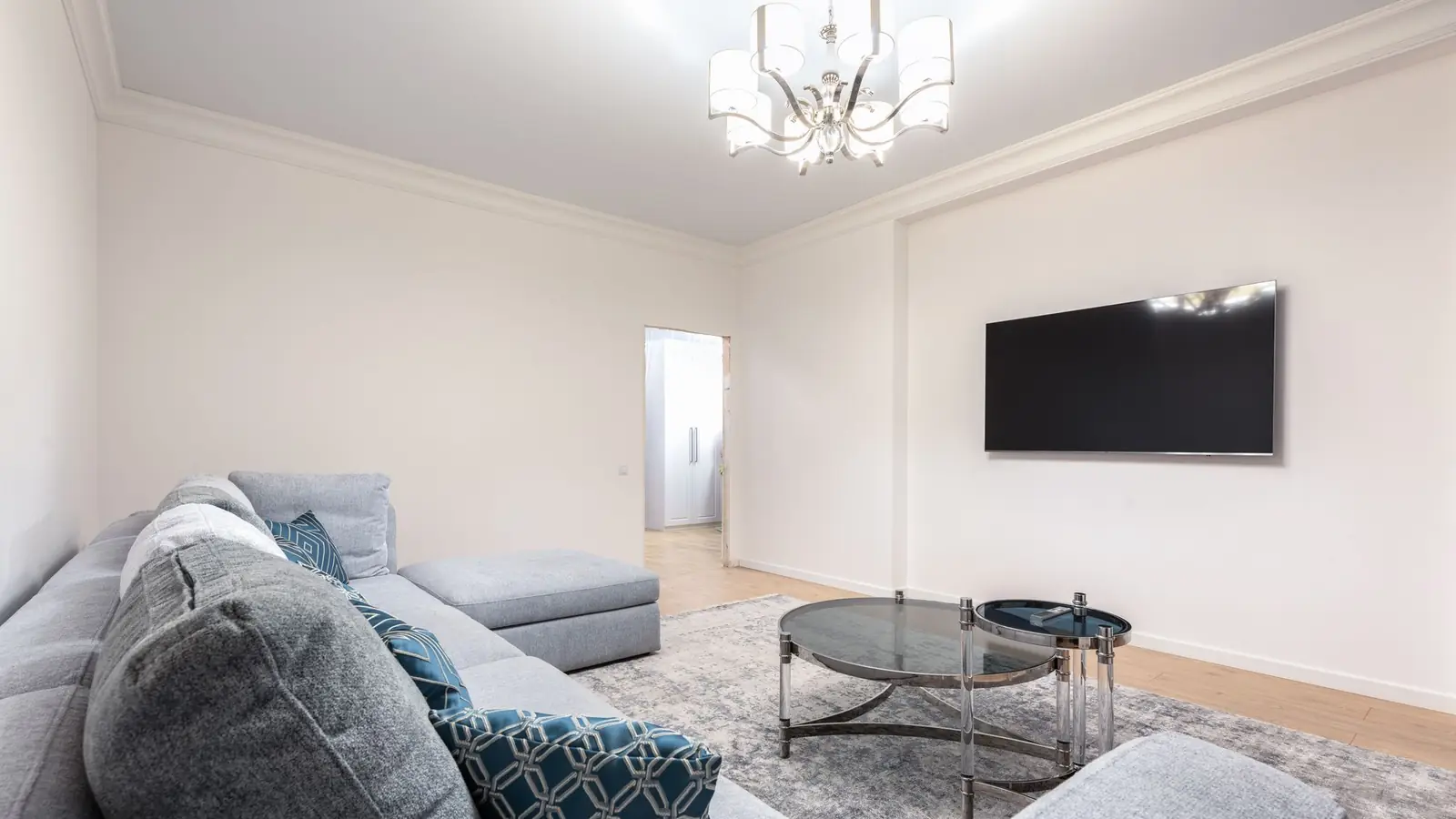
Placement
The clean version of a wall-mounted television is usually a quiet one: the screen lines up with the seating, the bracket disappears behind it, and the cables are not the first thing you notice. Getting there means measuring the room before choosing hardware.
How the work is plannedHow an estimate works
Start with the service that matches the room: a standard wall, a fireplace, masonry, a large screen, outdoors, a workplace, or cable management.
Size, a model if you know it, the surface, and whether you already own a mount. A few sentences are enough to judge the likely scope.
Name, email, phone, and the installation address or ZIP code. Kunaque serves Seattle, Washington. The address is how the request is checked against that area.
The installer confirms whether the location can be served, what the work includes, and the price. Installation happens only after that agreement.
Surfaces
A TV mount installation that is safe on wood studs can be the wrong plan on veneer, tile, or a hollow block. Say what the wall is made of, or say you are not sure. Guessing is less useful than a clear photo later in the conversation.
Wood studs are the usual residential path. Metal studs need a different fastener and sometimes a backing plan. The television is not hung from the gypsum alone.
Older plaster can hide lath, and it cracks more easily than modern board. The mount still has to reach structure.
Structural masonry can take the right anchors. A thin brick or stone veneer often cannot. Brick and concrete mounting explains the difference.
Heat, height, and the material over the firebox decide whether a screen belongs there. Fireplace TV mounting covers that review.
An indoor television does not become an outdoor one because the patio is covered. The display and the mount both have to be rated for the exposure.
Questions
The request is read for the television, the wall, and the location. If the address or ZIP code can be served, you hear back by the contact method you chose, with questions if something is missing and a price once the scope is clear. It is not an automatic booking.
Screen size and weight, the mount style, the wall material, the height, cable concealment, and how easy it is to reach the wall. A 55-inch set on wood studs is a different job from a 75-inch set on a stone veneer. Cost factors are explained on the FAQ page without a made-up price list.
Only when the wall can take a proper path. In-wall low-voltage work and a surface cover are both normal outcomes. Running a new power circuit is electrical work and is not assumed as part of a mount. See TV cable management.
No. A confirmed installation is a later step, after scope and price are agreed. Same-day mounting is not offered from this form.
Request an estimate
An estimate request describes the job. It is not a confirmed appointment. Kunaque reviews the screen, the surface, and whether the address is in the Seattle, Washington service area, then follows up with scope and price before any work is scheduled.