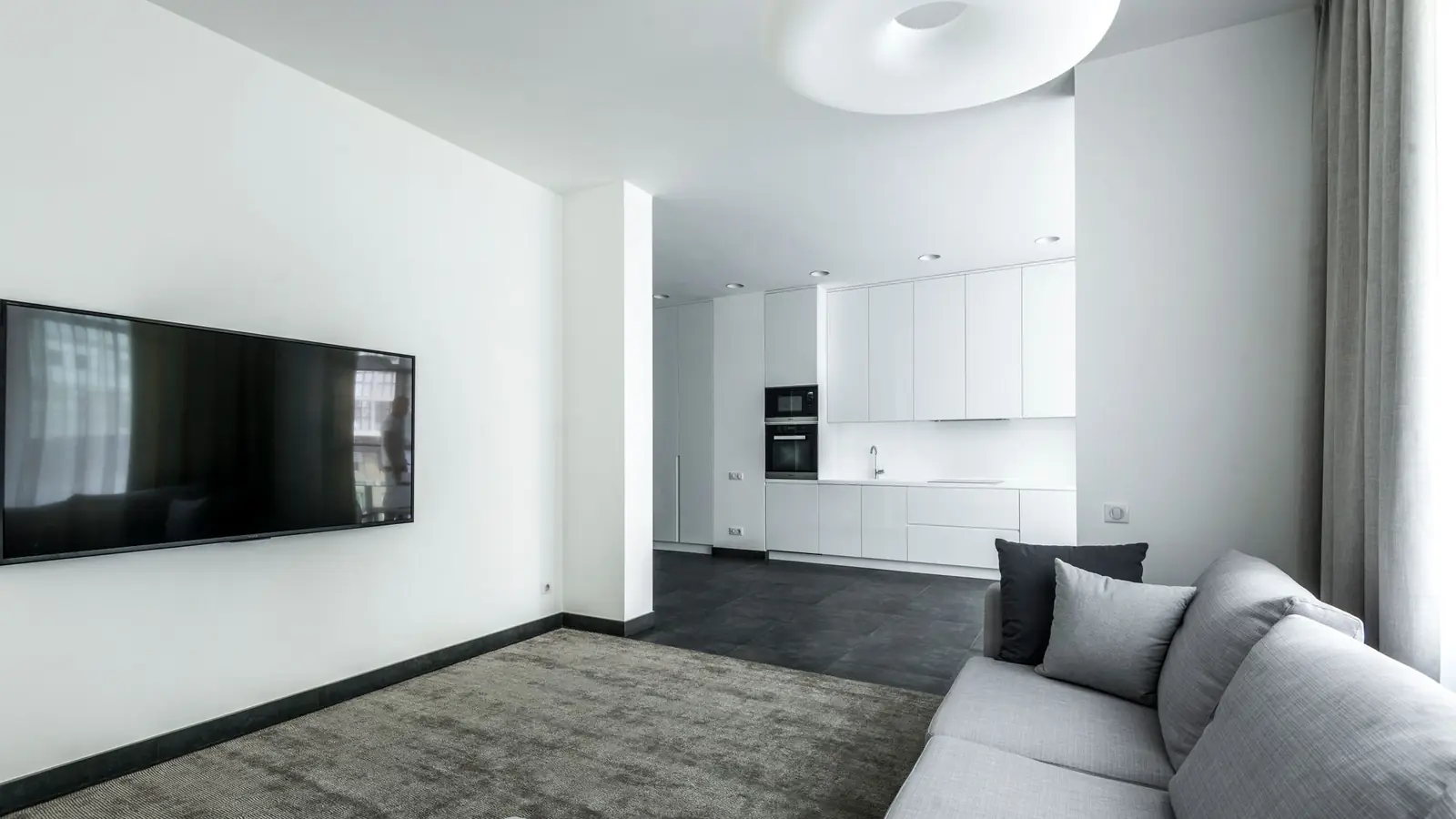
TV Wall Mounting
Fixed, tilt, and full-motion brackets on wood or metal studs, with the screen height set from the seating.
View this service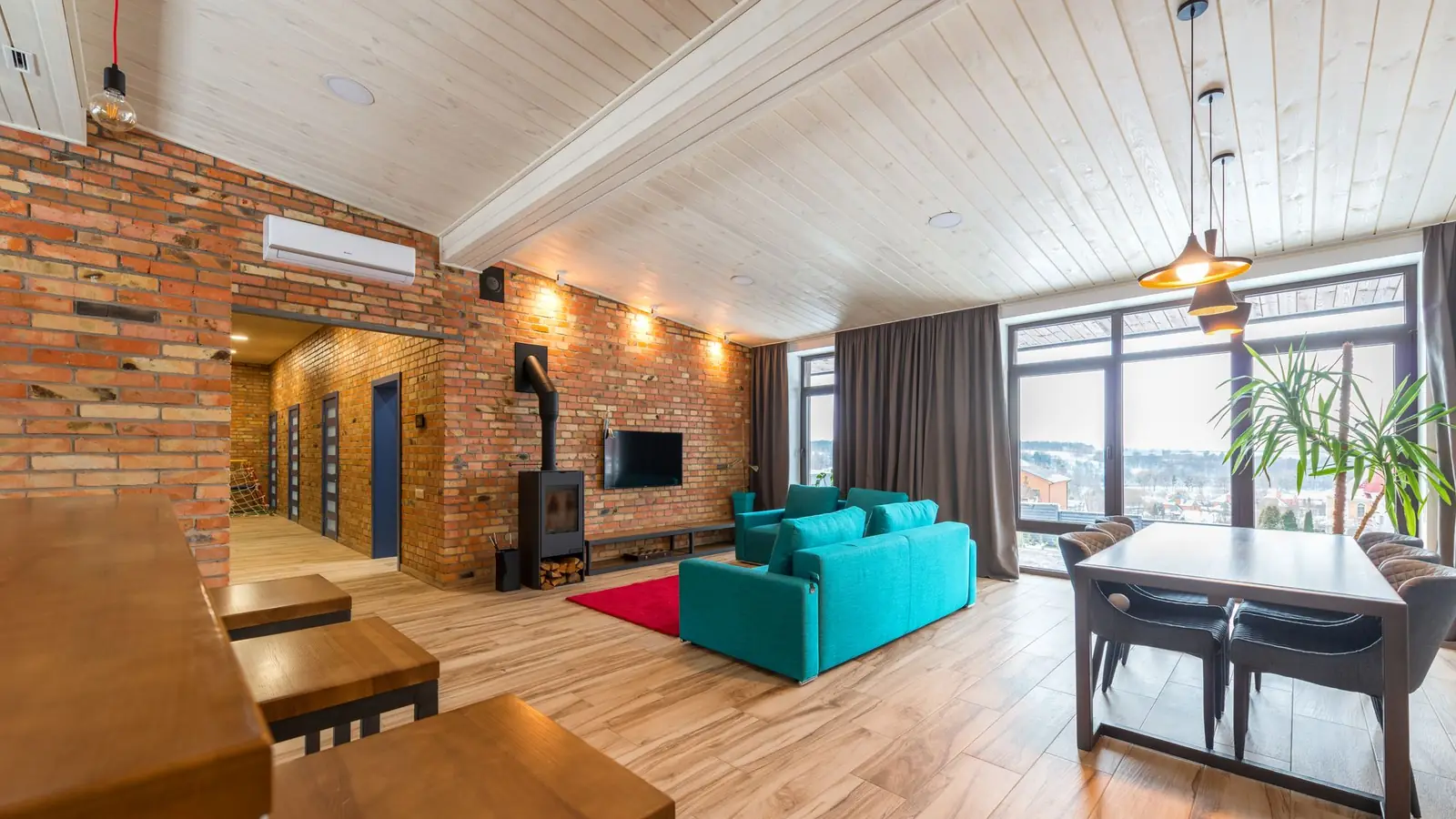
Masonry
A masonry wall can hold a television when the brick or concrete is actually structural. Kunaque mounts on masonry in Seattle and treats a brick veneer, a tile face, or a hollow block as a different assembly. The anchor, the drill, and the dust all follow from that distinction.
People point at a red wall and call it brick. Sometimes it is a load-bearing wythe with mortar joints that can take a sleeve anchor. Sometimes it is a half-inch veneer tied back to wood framing, and the real structure is the studs behind it. Concrete can be solid, or it can be a hollow block with a thin face shell. Those differences decide whether a TV mount installation uses masonry anchors at all.
This service treats that question as the job, not as a footnote. If the finish is veneer, the mount should usually reach the framing, the way a standard wall mount does, instead of relying on the decorative layer. If the masonry is structural, the hardware is chosen for that material and for the weight of the set.
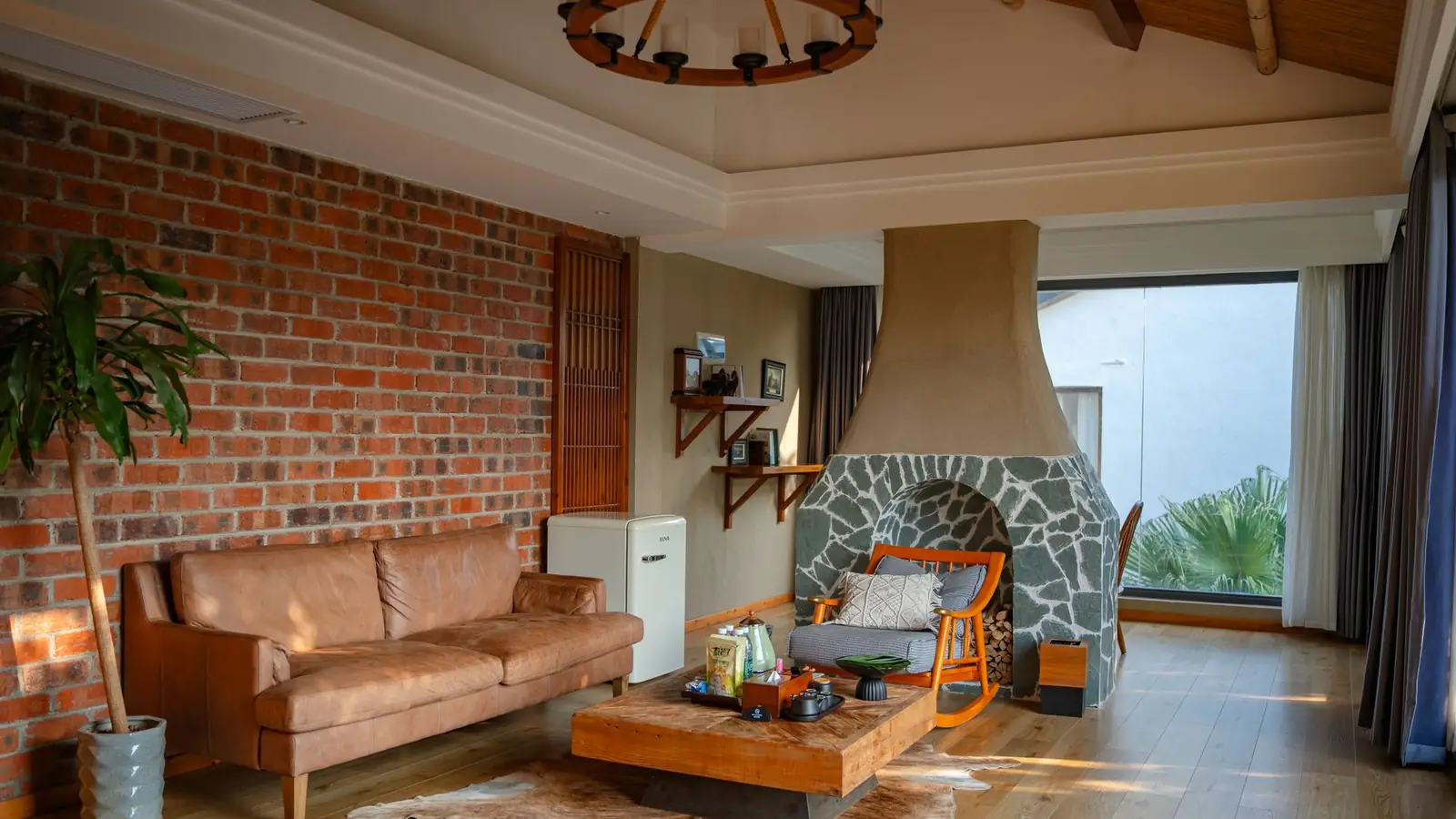
On structural brick, fasteners typically land in the unit rather than in a soft mortar joint, unless a specific anchor is meant for that joint. The hole is drilled with a masonry bit. It makes dust. The area below the wall needs to be covered, and the hole is not invisible afterward if the mount ever comes down. A promise of a patch that no one can see is not part of this service.
Concrete block needs care about where the web of the block is. A hole in the middle of a hollow cell gives the anchor nothing to bite. Poured concrete is more uniform and still needs the right embedment and a mount rated for the set. Tile over concrete adds a brittle finish that can crack even when the concrete behind it is sound.
Full-motion arms make this stricter. The leverage of an extended arm is harder on masonry anchors than a fixed plate held close to the wall. A large screen makes it stricter again. If the set is 65 inches or heavier, the notes on large TV mounting belong in the same estimate.
None of those factors is priced as a flat national rate on this website. The estimate uses the wall you describe and confirms a number before work is scheduled.
The material is confirmed as far as it can be without opening the wall unnecessarily. Holes are laid out for the bracket, drilled, and anchored. The screen is hung and checked from the seat. If the masonry will not take a safe anchor, the work stops and another wall is discussed. That decision is part of the service, not an exception hidden in small print.
Questions
No. Veneer that is only a finish should not be asked to carry a television. Structural brick often can, with the correct anchor and a mount rated for the set.
No. Masonry holes can be filled, and the fill is usually visible. The estimate does not describe them as invisible.
No. Block has hollow cells and face shells. The anchor has to land where there is material. Poured concrete is more continuous and still has a required embedment.
Cutting a channel in masonry for an HDMI cable is rarely the right first idea. A rated surface path, or a route that uses a nearby framed wall, is discussed in TV cable management.
Related work
Fixed, tilt, and full-motion brackets on wood or metal studs, with the screen height set from the seating.
View this service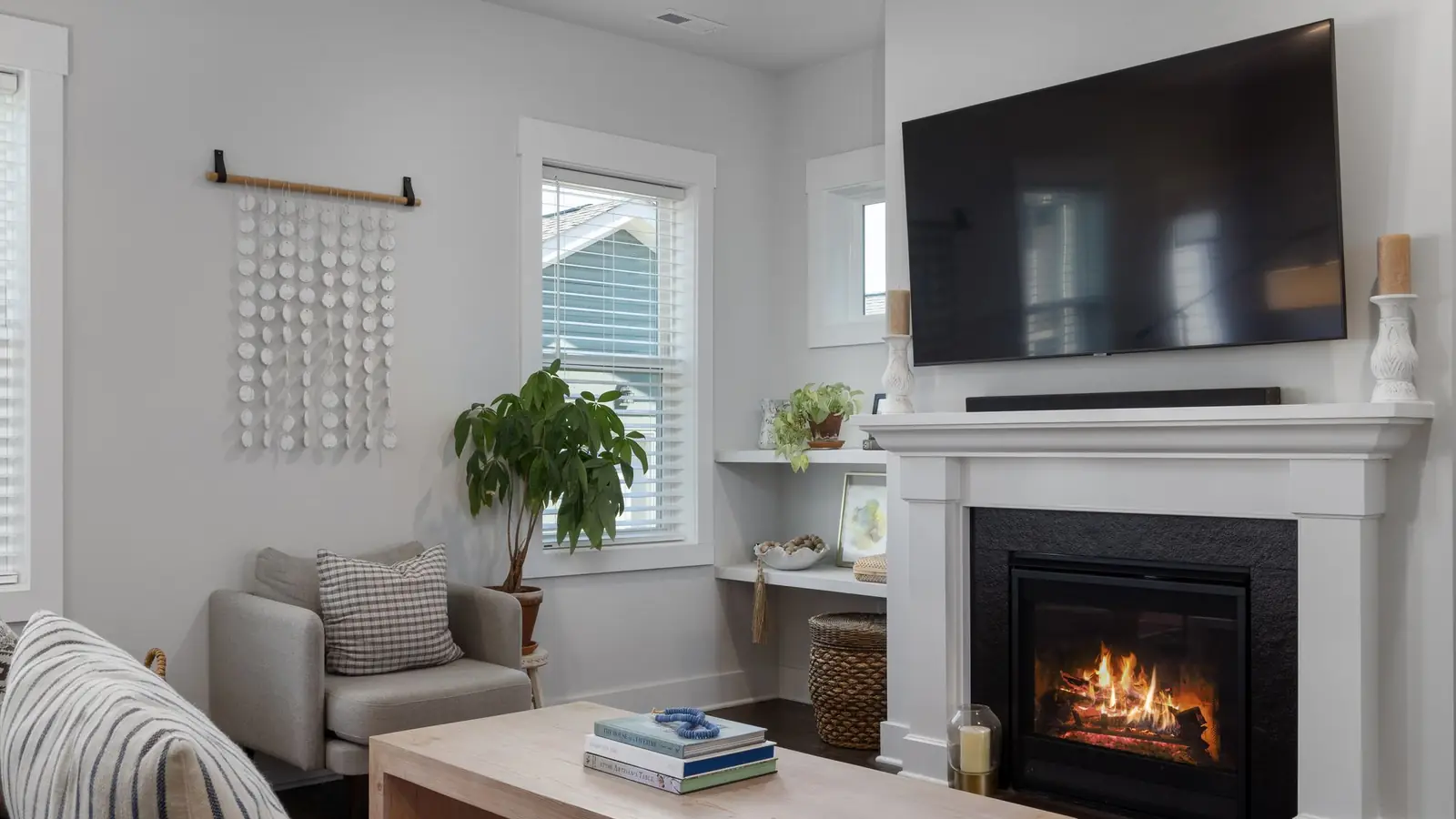
Above-mantel placement that accounts for heat, viewing angle, and the way the surround is built.
View this service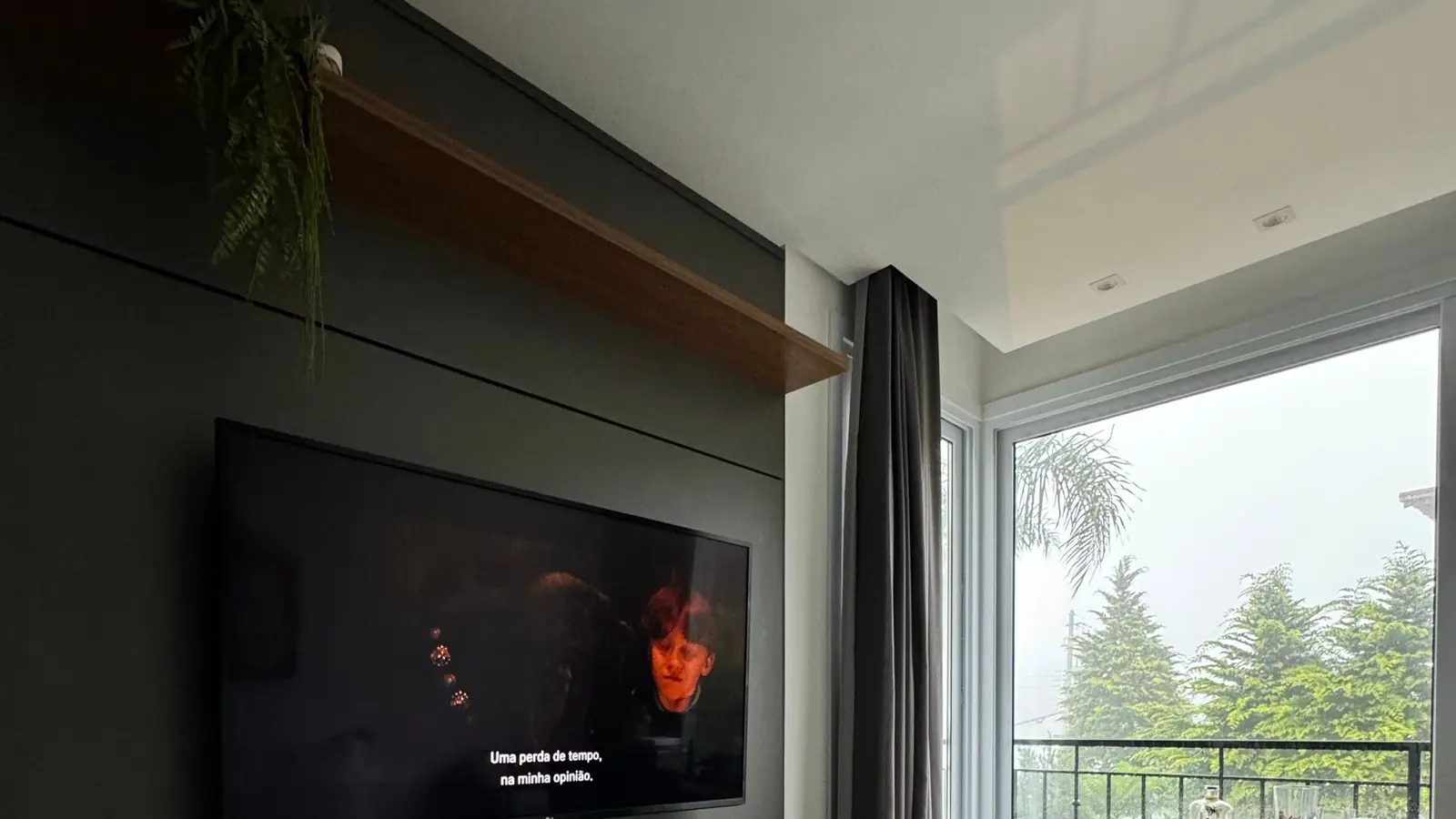
65-inch, 75-inch, and heavier screens, where weight, stud span, and the path into the room change the job.
View this serviceEstimate
Structural brick, veneer, block, or not sure. Include the screen size and the address or ZIP code so the estimate can be specific.
Request an estimate
An estimate request describes the job. It is not a confirmed appointment. Kunaque reviews the screen, the surface, and whether the address is in the Seattle, Washington service area, then follows up with scope and price before any work is scheduled.