The surround is not always structural
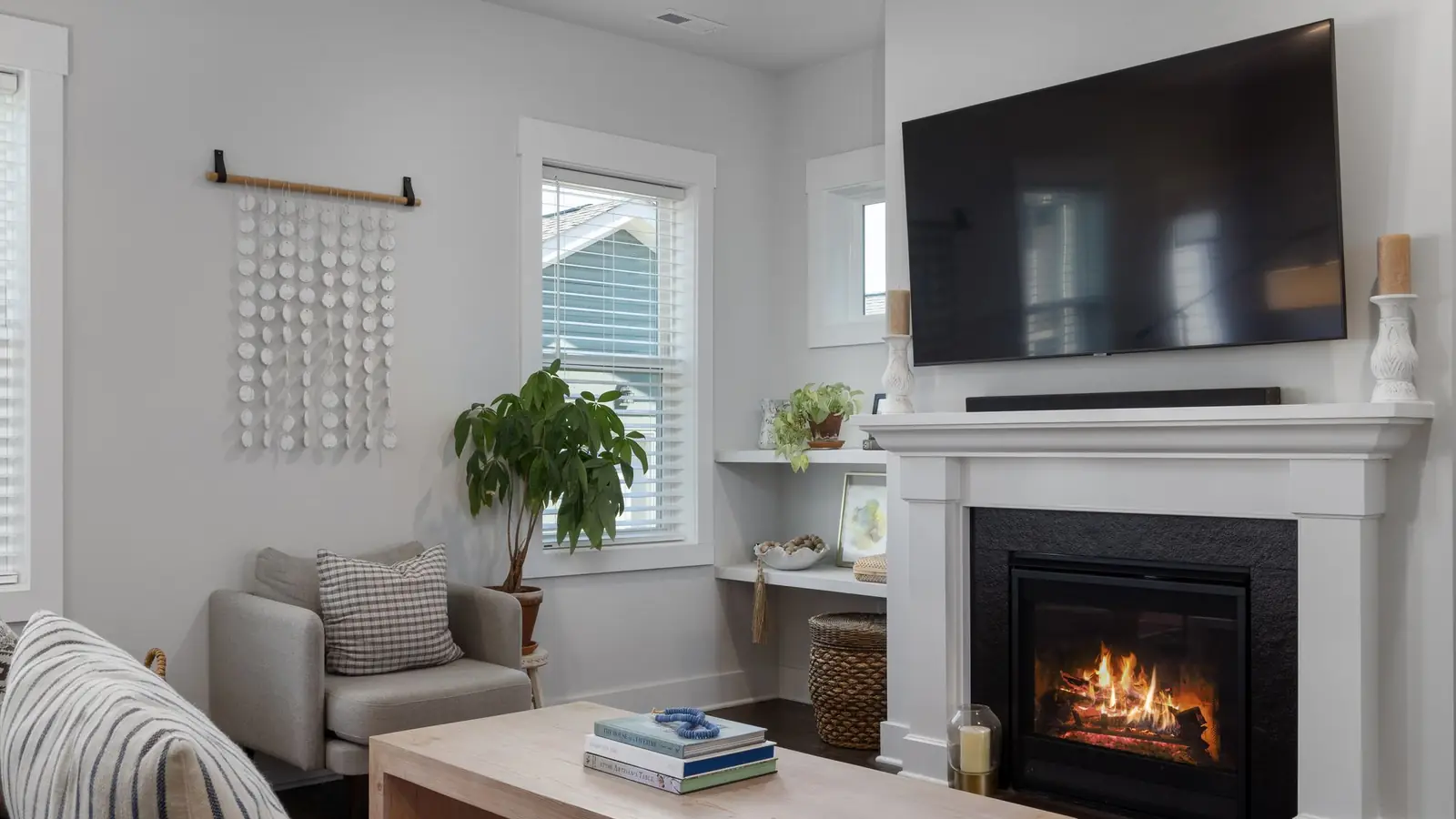
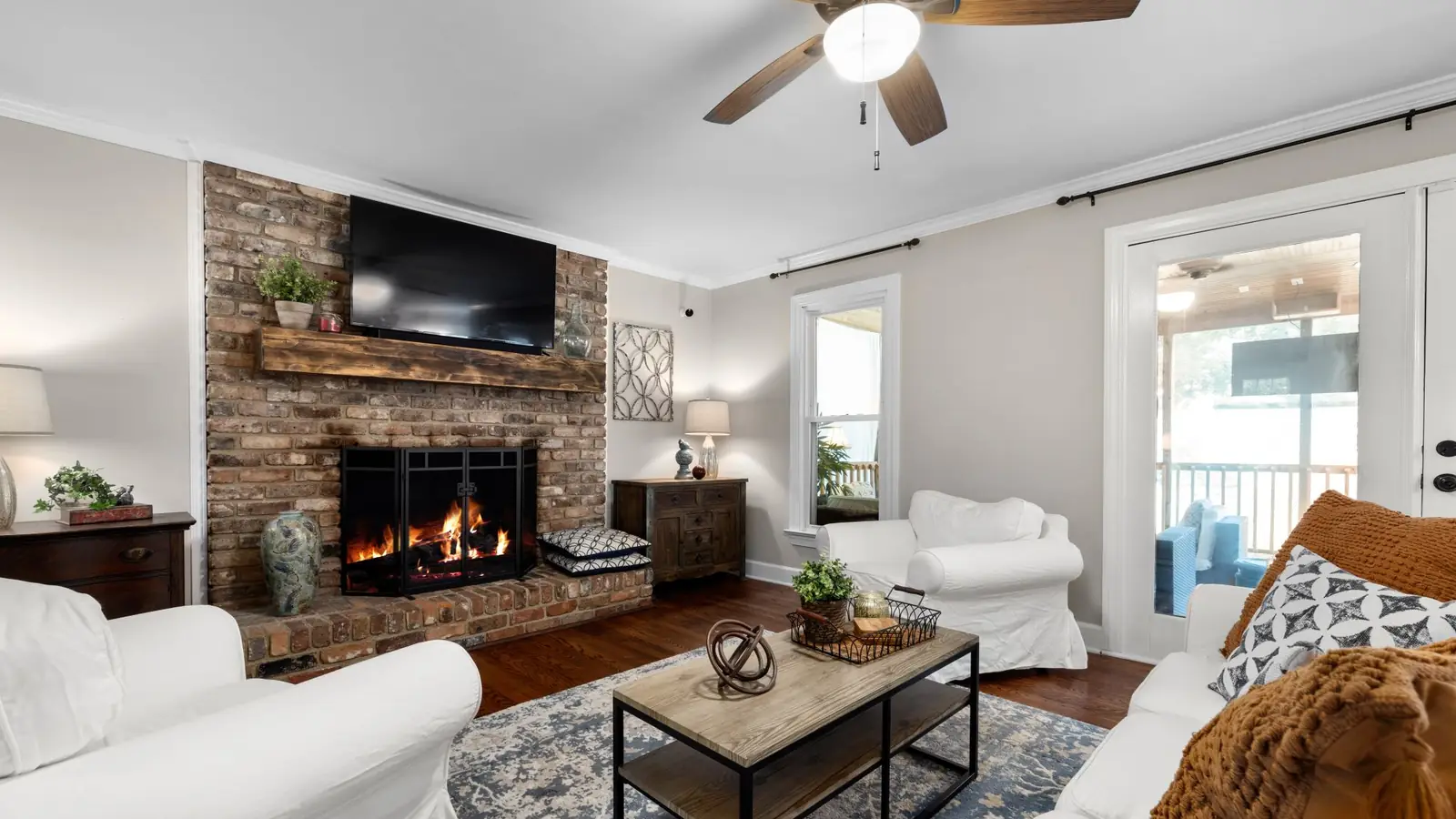
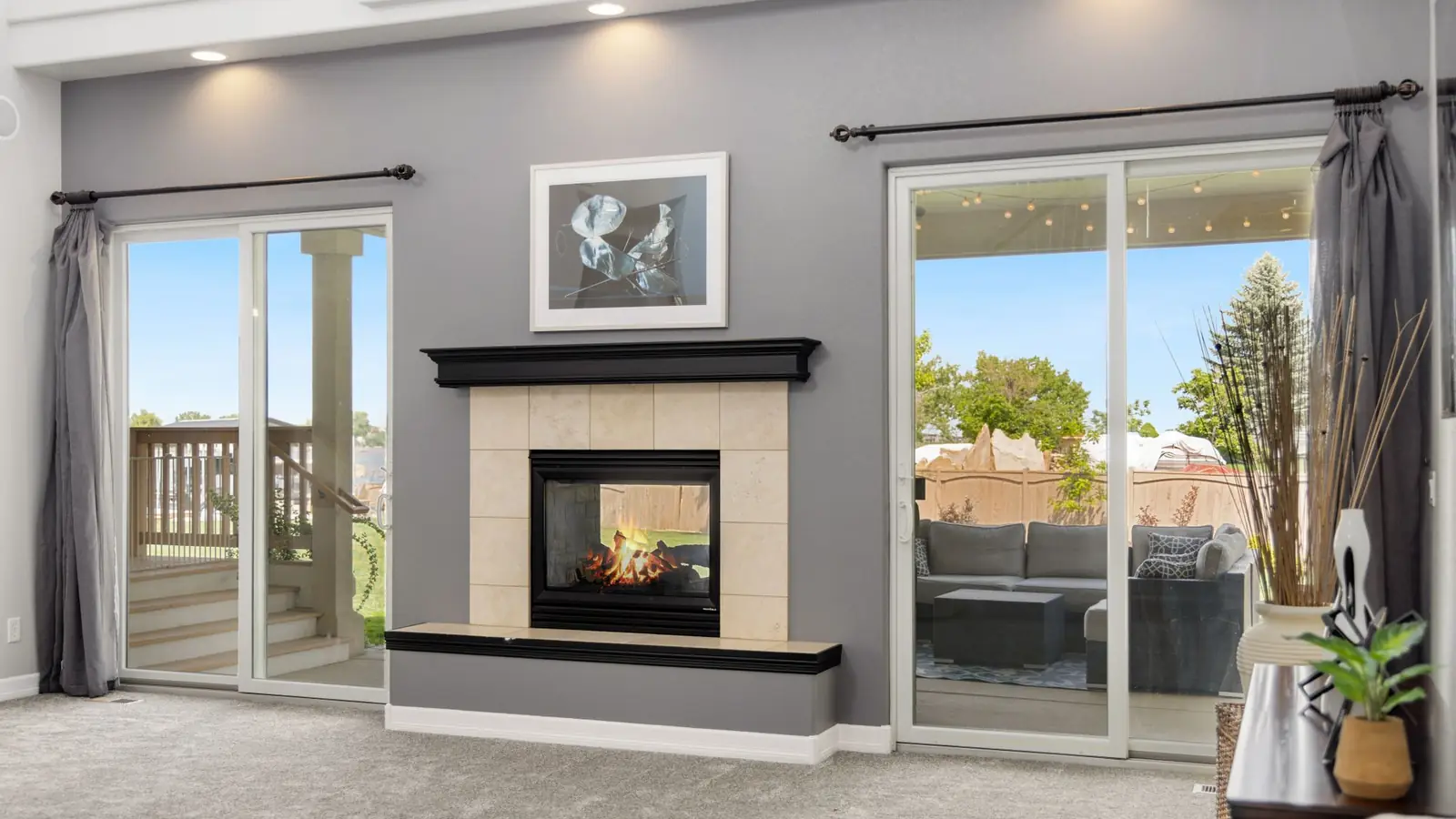
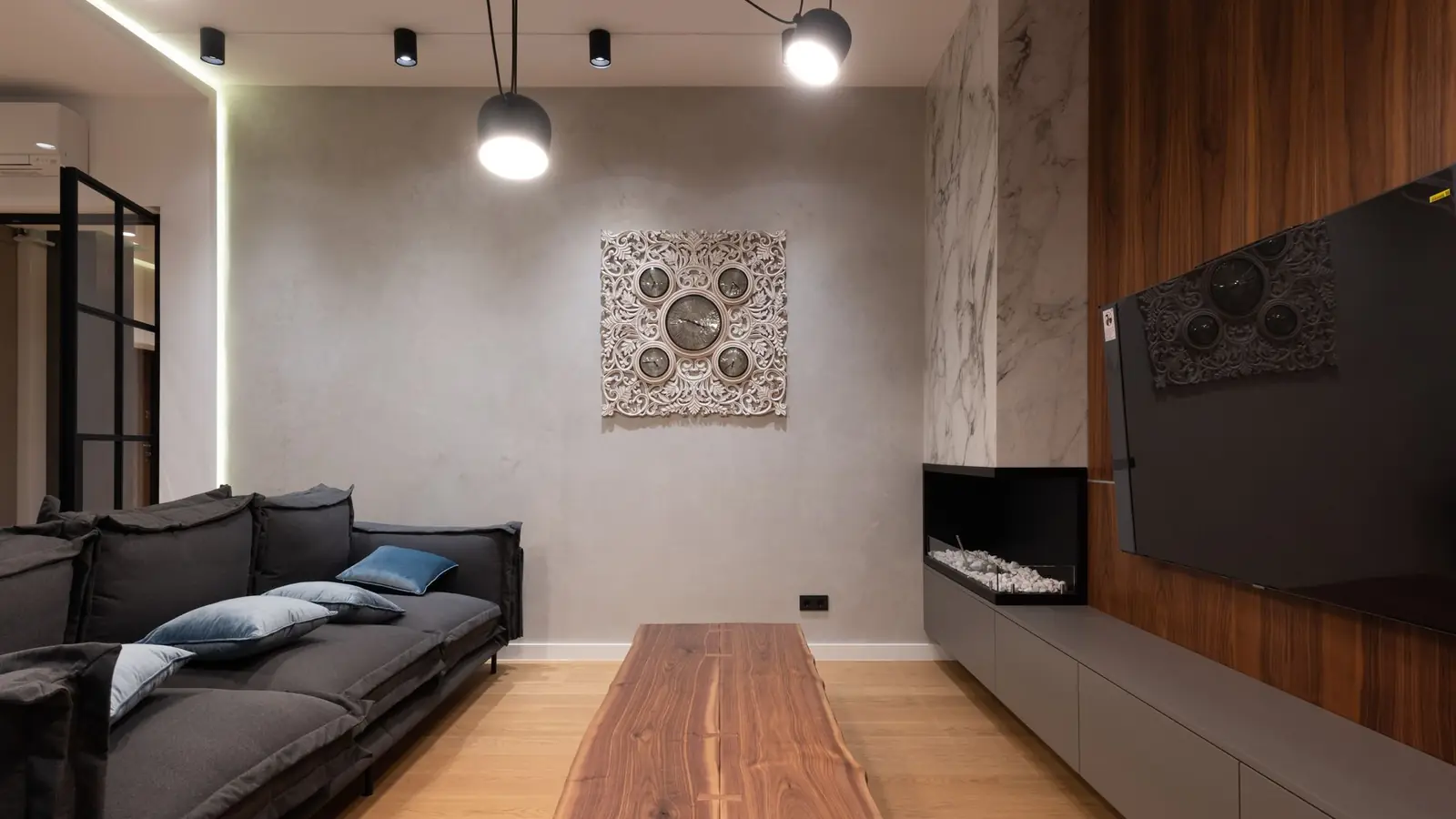
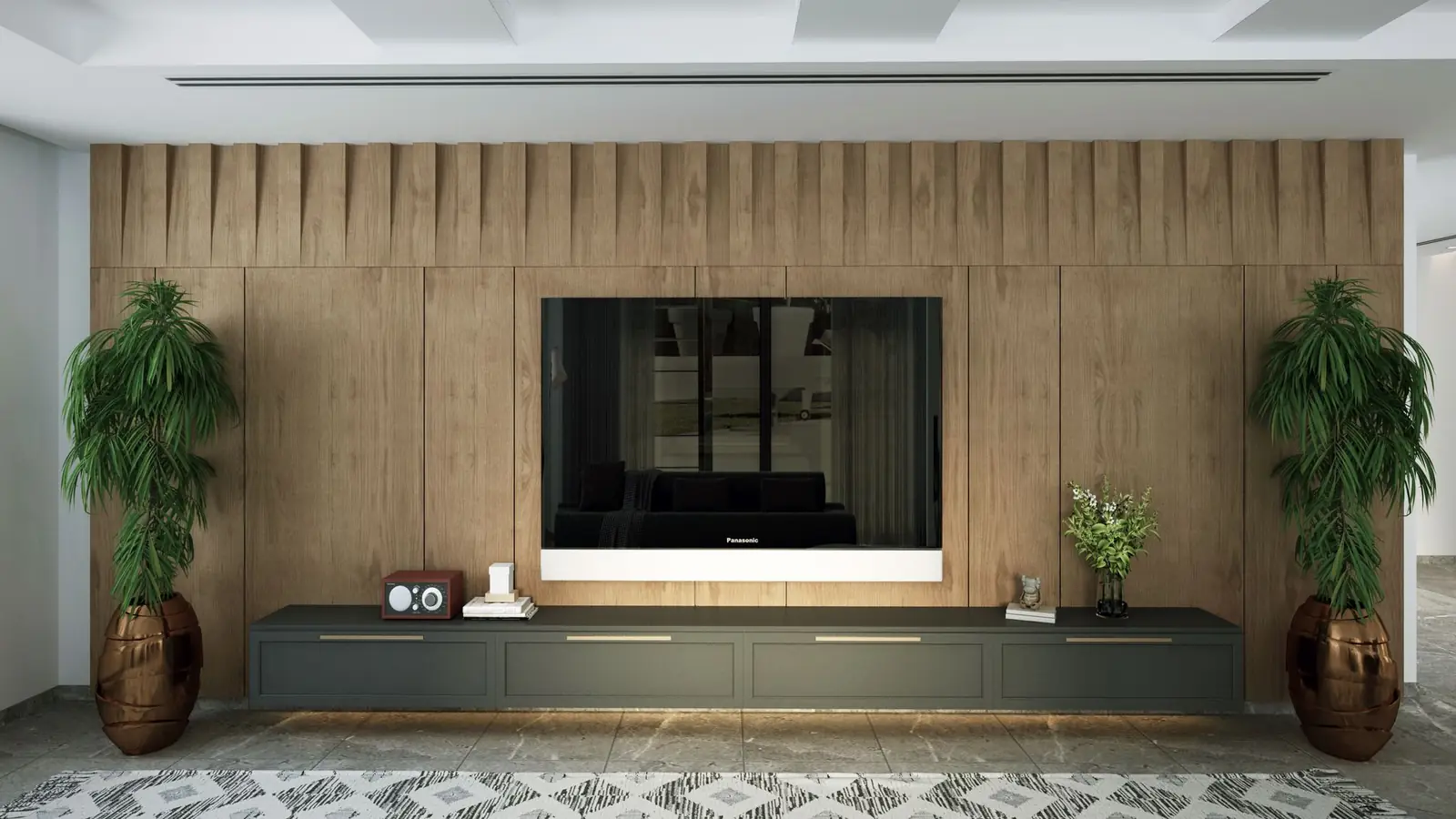
A painted wood mantel over ordinary studs is a different fastener plan from a full-height brick chimney. Stone tile and thin brick veneer are finishes. They can look massive and still be a cladding over wood framing or over a gap. Driving anchors into the veneer because it looks solid is how tiles crack and how a mount never reaches structure.
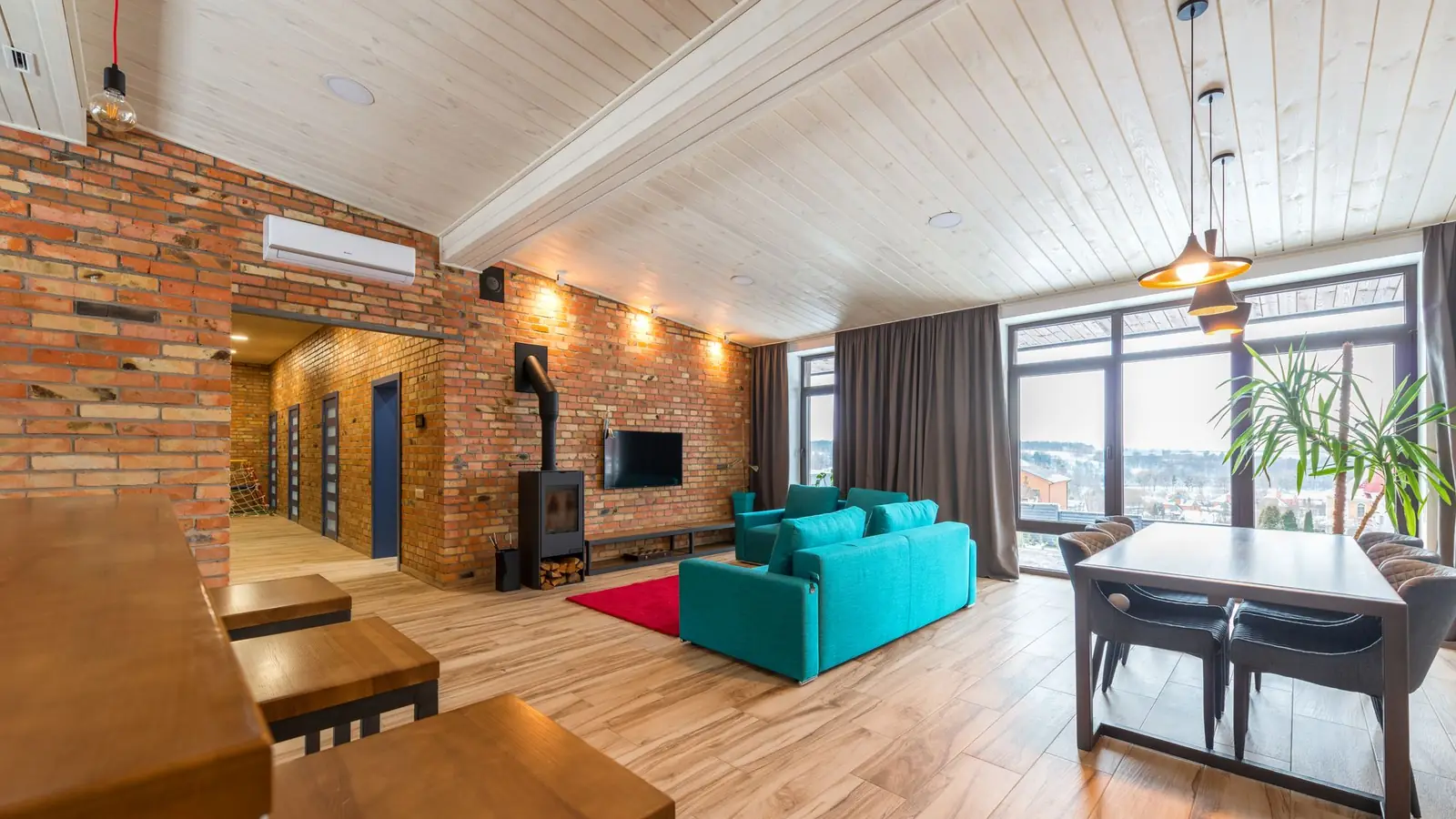
If the fireplace is masonry, the notes on brick and concrete TV mounting apply at the same time as this page. If it is a framed chase with drywall, the stud layout above the firebox may be short, blocked by a header, or filled with the fireplace vent. The estimate needs that distinction, even if the first answer is “I am not sure.”
Heat, glare, and cables
Manufacturers publish temperature limits for their panels. A fireplace TV mount installation should respect those limits rather than assume a mantel always blocks the heat. Recessed fireboxes, flush gas units, and open wood-burning hearths do not behave the same way. If the clearance is wrong, the right recommendation is another wall.
Cables above a fire are also a heat question. A low-voltage opening directly in the hottest part of the chase is a bad route. Power for the television and for a soundbar has to come from an appropriate outlet. This service does not treat a new circuit as something that appears because the screen needs it. If an electrician is required, that is identified before the work is scheduled.
What changes the scope
Mantel depth, the fuel and the fireplace manual, the material of the surround, the screen size, whether a pull-down arm is required, and the cable path. A small tilt mount on a wood mantel is not the same proposal as a heavy panel on a stone veneer with a lowering arm. No price is listed here for that reason. Factors that show up across jobs are summarized in the installation cost FAQ.