List the devices
Television, soundbar, console, and anything else that needs power or a signal at the wall.
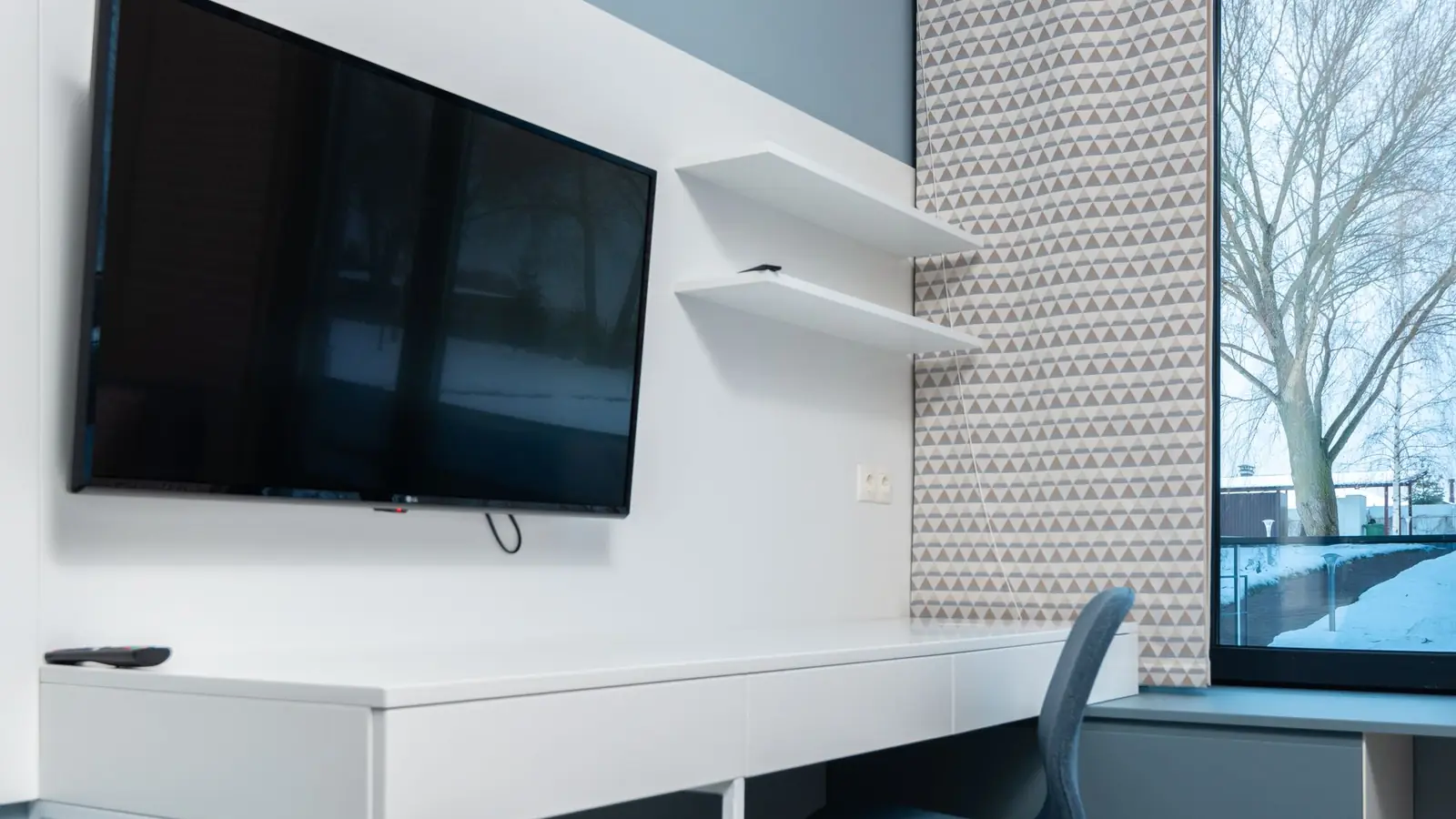
Wiring
A TV mounting and wiring service is the difference between a screen on a bracket and a screen that looks finished. In Seattle, Kunaque uses an in-wall low-voltage path where the wall can take it and a cover where it cannot. New electrical circuits are not assumed.
The cord in the photograph is the ordinary leftover: power or a signal lead that had nowhere to go once the panel covered the outlet. Hiding it starts by separating two systems. Low-voltage cables, such as HDMI, can often use a recessed opening and a path inside a hollow wall, when the cavity is clear and the local rules allow that opening. Line-voltage power is not the same cable and not the same trade. Relocating an outlet or adding a circuit is electrical work. This mounting service does not describe that as a side effect of hanging a television.
If an outlet already sits behind the future screen, the job may be as simple as a short lead and a recess that keeps the plug from bulging the panel. If the only outlet is below the television, a surface raceway can carry the cords in a straight, paintable line. That is a legitimate finish. It is more honest than opening a wall that contains a fire block, a pipe, or a neighbor’s unit.
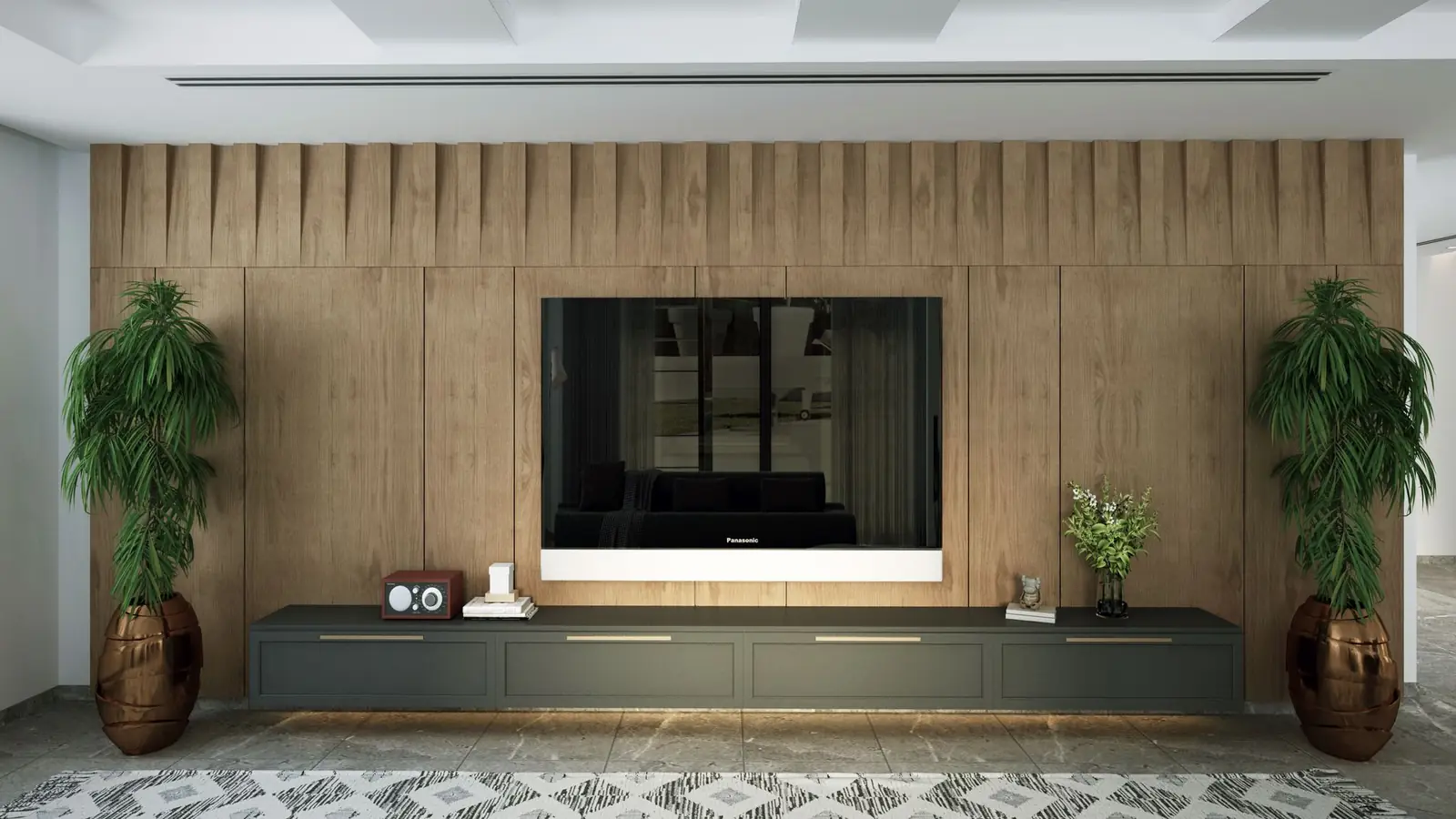
Concrete, structural brick, and many commercial partitions should not be channeled for an HDMI cable. The masonry page explains the fastener side of that wall. The wiring side is usually a surface path or a route that drops into a nearby framed cavity. A fireplace chase is a poor default tunnel because of heat and because the vent may already occupy it.
Metal studs can be penetrated only with fittings that protect the cable. A sharp stud edge will cut a jacket. Insulated exterior walls and fire-rated assemblies may rule out a casual opening. If the building says the wall stays closed, the estimate uses a cover and says so.
The number of devices, the distance from the equipment to the screen, whether power is already behind the panel, the wall type, and any requirement to leave the finish untouched. A single streamer plugged into an outlet that is already hidden is a small addition to TV wall mount installation. A soundbar, a game console, and a new power location are not. In-wall wire concealment is described in the estimate only for the path that is actually available. There is no bundled “all cables disappear” price on this site.
Sequence
Television, soundbar, console, and anything else that needs power or a signal at the wall.
Outlets are noted. Missing power is called out as electrical work, not concealed inside the mounting scope.
In-wall low-voltage where the cavity is appropriate. A surface cover where it is not.
Inputs are tested from the seat. A cord that still shows is either part of the agreed cover or it is not done.
Questions
No. Hollow framed walls often allow a low-voltage path. Masonry, fire-rated walls, and walls a landlord will not open usually get a surface cover. Power is a separate question from signal cable.
Not as part of mounting. If the television needs a new receptacle, an electrician’s work is identified before the visit and is not implied by this page.
If you ask for it. The bar needs a place, a signal path, and power. Mention it in the project details so the cable plan includes it.
No. A straight cover is the correct finish when the wall should not be opened. The failure is a loose loop with no decision behind it.
Related work
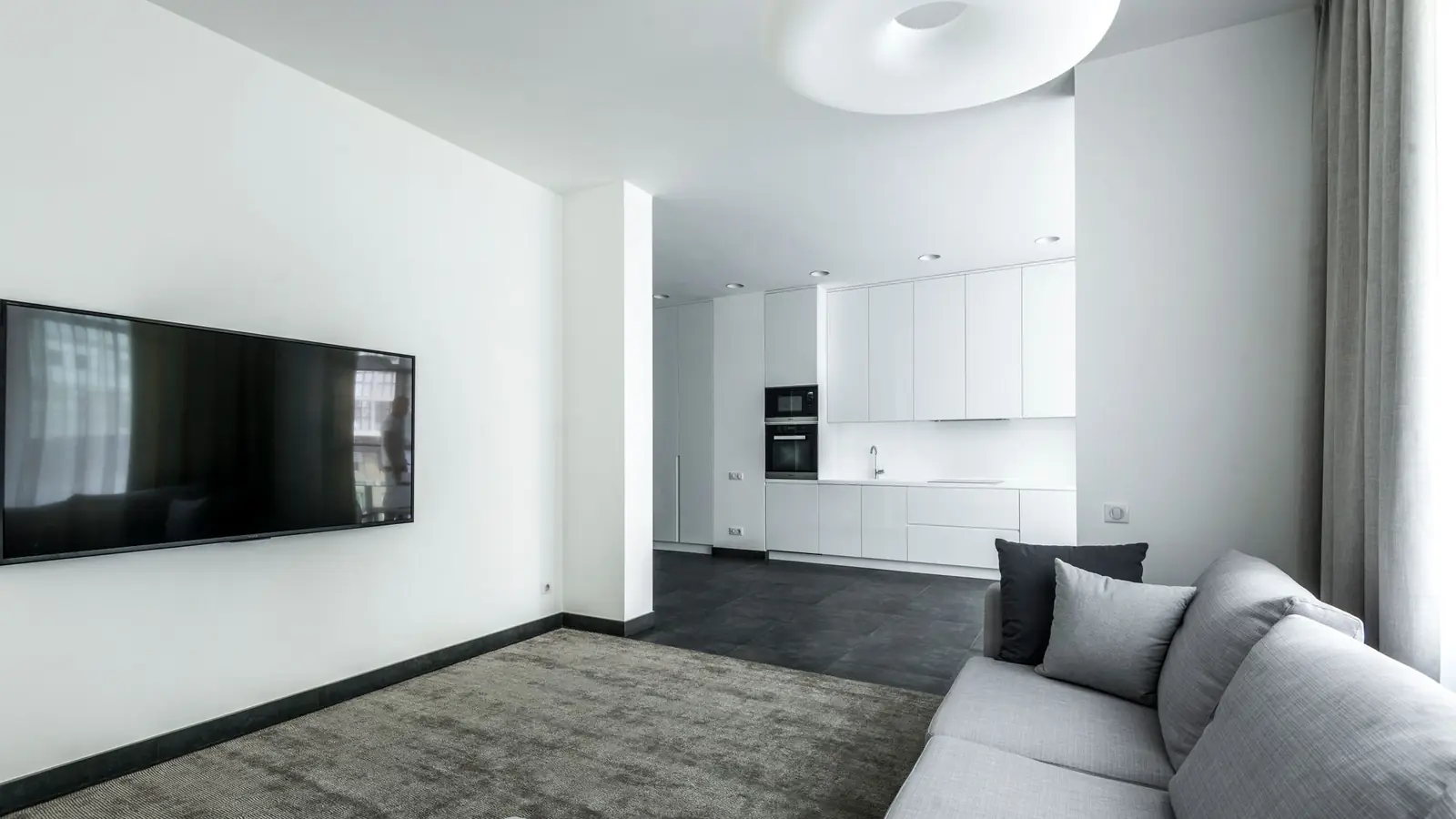
Fixed, tilt, and full-motion brackets on wood or metal studs, with the screen height set from the seating.
View this service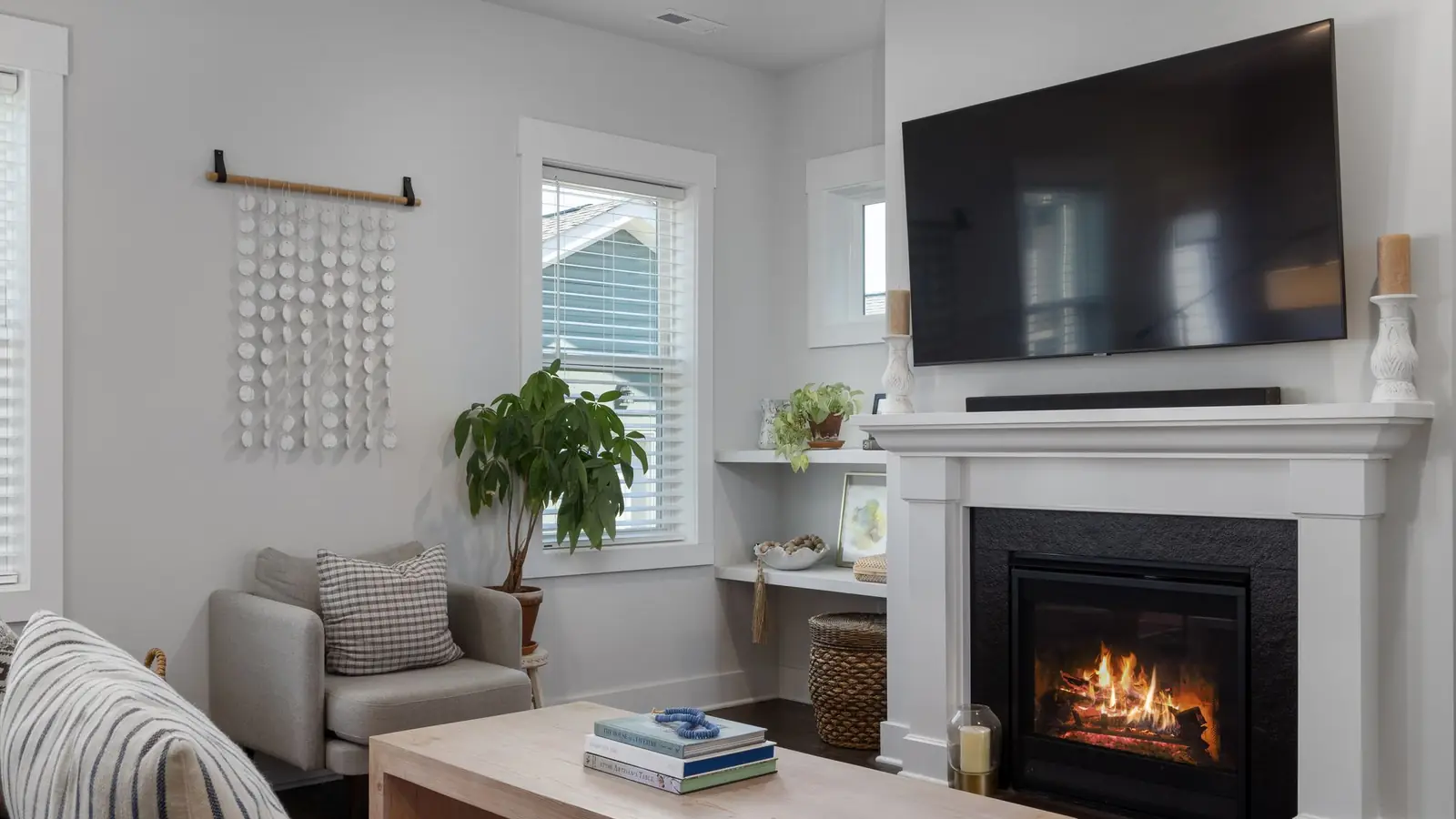
Above-mantel placement that accounts for heat, viewing angle, and the way the surround is built.
View this service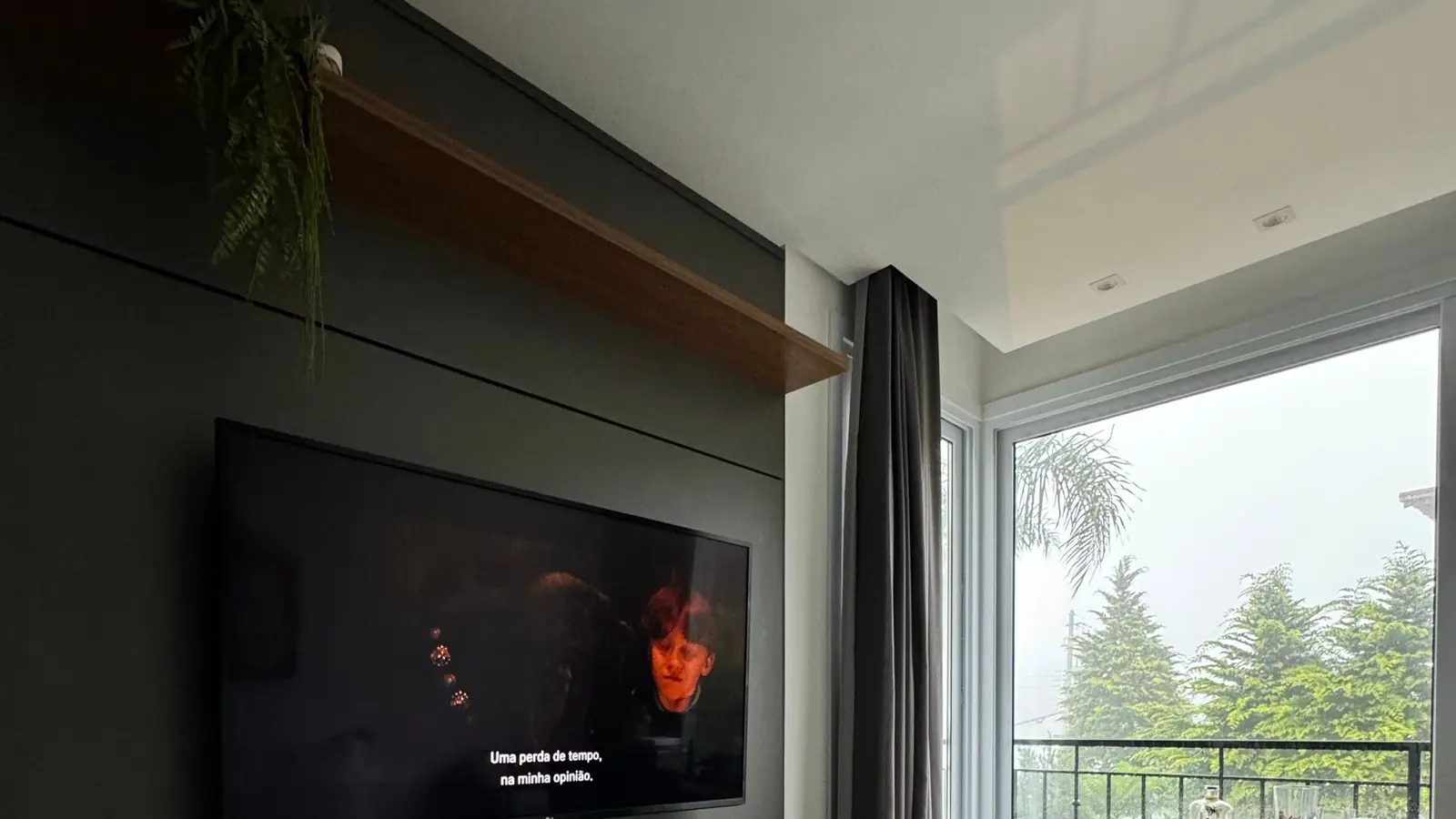
65-inch, 75-inch, and heavier screens, where weight, stud span, and the path into the room change the job.
View this serviceEstimate
Say which devices must connect and whether an outlet already sits behind the television.
Request an estimate
An estimate request describes the job. It is not a confirmed appointment. Kunaque reviews the screen, the surface, and whether the address is in the Seattle, Washington service area, then follows up with scope and price before any work is scheduled.